
Handling fire safety compliance in WA is a daily reality for local facility managers. AS1851 is the mandatory Australian Standard detailing exactly how buildings must inspect, test, and maintain their fire systems. It isn’t a task that sits on the back burner.
What AS1851 Actually Requires from Facility Managers
AS1851 requires facility managers to guarantee all fire systems receive baseline scheduled inspections, regular testing, and immediate preventative maintenance. This standard covers every piece of fire protection equipment across a site. Routine servicing intervals depend on the specific equipment installed. Staying compliant means adhering to exact timelines without exception.
- Extinguishers and blankets need checking every six months by a licensed technician.
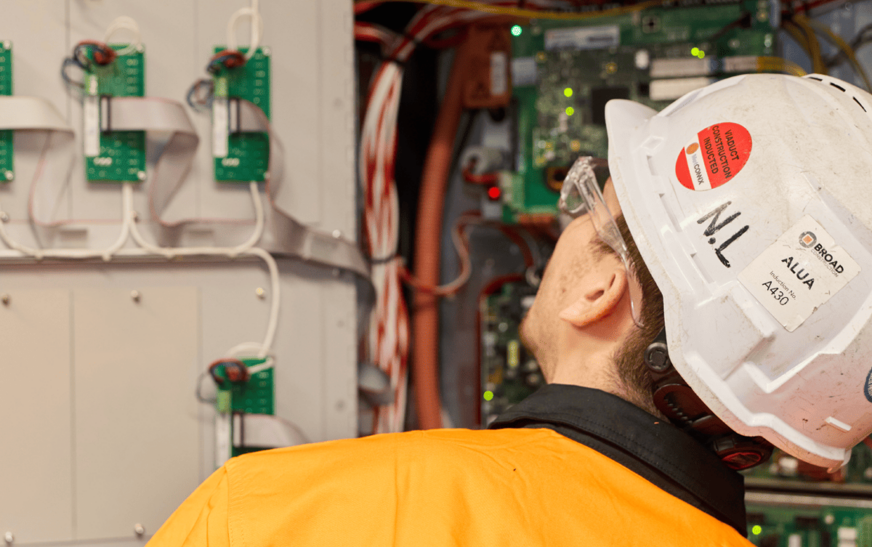
- Fire indicator panels require monthly testing alongside strict logbook sign-offs.
- Sprinkler systems demand weekly or monthly pump tests depending on the exact site setup.
- Fire doors must undergo quarterly visual checks and annual functional testing to pass audits.
- Emergency lighting needs a ninety-minute discharge test every six months.
The True Cost of Skipping Routine Fire System Maintenance
Skipping routine fire system maintenance results in denied insurance claims, heavy statutory fines, and extreme safety risks for building occupants. Short-term budget cuts always lead to long-term financial disasters. The local fire authority doesn’t accept excuses for missed testing dates.
- Insurance providers will instantly void property policies when maintenance records show unexplained gaps.
- Local councils issue heavy infringement notices for non-compliant commercial properties during random checks.
- Emergency systems fail during actual critical incidents when minor faults go unchecked.
- Complete system replacements become necessary when components seize up from lack of servicing.
Managing Logbooks and Compliance Documentation in WA
Managing compliance documentation requires keeping hard copy logbooks on site and maintaining duplicate digital records for instant auditing access. Auditors expect to see a clear history of every test and repair. Missing paperwork is treated exactly the same as a failed physical test. Good administration keeps the regulators satisfied.
- Site logbooks must stay in the main fire control room or prominent entrance.
- Every contractor visit requires a legible signature, date, and detailed service notes.
- Digital backups need updating within forty-eight hours of any physical site inspection.
- Baseline data for all installed equipment must remain accessible for comparison purposes.
Dealing with Defect Rectifications and Reporting
Defect rectifications involve immediately quoting and fixing any system faults identified during routine AS1851 testing before the next scheduled inspection. Ignoring a documented fault leaves a facility legally exposed. System failures aren’t just noted in a book. They demand immediate corrective action from the site team.
Contractors classify faults as critical defects or non-critical defects. A critical defect means the system won’t operate during an emergency. These require urgent attention from qualified trade professionals. Leaving a critical defect unresolved is a fast track to facing severe legal charges.
Coordinating Contractors for Fire Safety Compliance WA
Coordinating fire safety contractors requires matching specialised technicians to specific equipment classes and scheduling their access during low-impact operational hours. It isn’t enough to just hire a generic maintenance company. Plumbers test the hydrants while electricians handle the alarm panels. Booking the right trade for the right asset is mandatory.
Site managers need to verify every technician holds the correct licences for WA. Letting an unlicensed worker sign off on a fire panel is incredibly risky. The liability falls straight back onto the building owner and the facility manager. Vetting contractors thoroughly before they step on site is non-negotiable.
Reducing False Alarms and Fire Brigade Call-Out Fees
Reducing false alarms involves isolating dusty work zones, upgrading sensitive smoke detectors, and ensuring regular maintenance on fire indicator panels. Unwanted alarm activations cost commercial properties thousands of dollars in fire brigade attendance fees. WA fire services won’t waive these charges for poorly maintained systems.
- Contractors must isolate specific detector zones before starting any dusty cutting or grinding work.
- Old ionisation smoke alarms should be upgraded to modern photoelectric models to reduce false trips.
- High-humidity areas require specialised thermal detectors instead of standard smoke sensors.
- Building management must penalise tenants who trigger alarms through negligent activities.
Frequently Asked Questions
How Often Do Fire Extinguishers Need Testing under AS1851?
Fire extinguishers require visual inspections and physical testing every six months. Technicians check the pressure gauges, inspect for physical damage, and update the metal service tags. Certain types of extinguishers also need internal pressure testing every five years. It’s a strict schedule with no wiggle room.
Who Holds Legal Responsibility for Fire Safety Compliance in a Commercial Building?
The building owner holds the primary legal responsibility for all fire safety compliance. However, facility managers carry the operational duty of care to execute the testing schedules. Both parties can face prosecution if an unmaintained system causes harm. Clear contracts define exactly who handles the day-to-day coordination.
Can Facility Managers Do Their Own Fire Safety Inspections?
Facility managers can’t perform official AS1851 sign-offs unless they hold specific fire protection licences. They can conduct basic daily visual checks of emergency exits and fire doors. All statutory testing and logbook certifications require a qualified external fire technician. There’s no legal shortcut for this requirement.
Key Takeaways
Handling fire safety compliance in WA demands constant vigilance and tight administrative control. Facility managers carry a massive responsibility to keep occupants safe and owners out of court. Sticking to the AS1851 schedules prevents minor faults from becoming catastrophic failures. It’s a serious job that requires excellent organisational skills.