
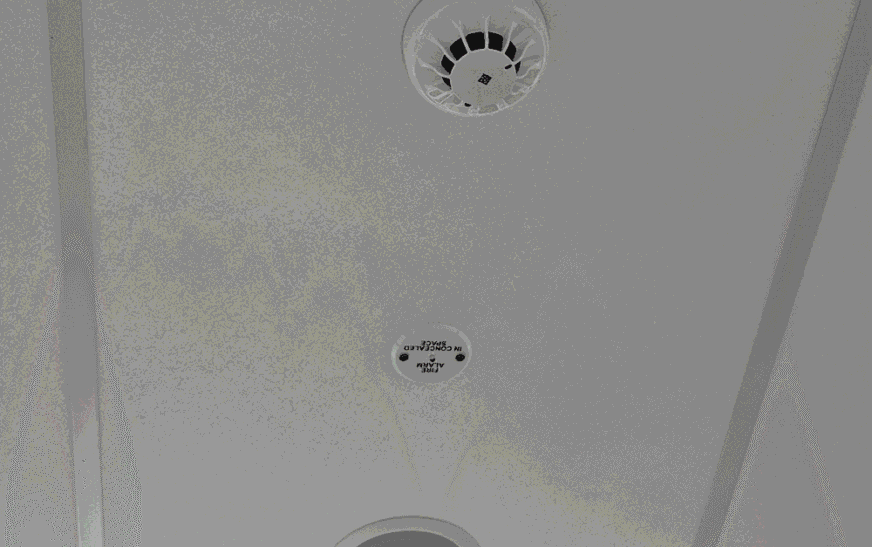
In WA, home smoke alarm rules start at set events such as building work, sale, rental or hire. Commercial fire alarm obligations attach to the occupancy permit and never switch off.
For fire safety compliance in WA, that split decides which standards apply and who carries the can when something’s missed.
What’s the Difference Between a Smoke Alarm and a Fire Alarm System?
A smoke alarm is a standalone device that detects smoke and sounds its own warning. A fire detection and alarm system links many detectors and devices to a central control panel. Each is built to a different Australian Standard.
- Home smoke alarms are made to AS 3786, and newer homes link them so one alarm sets off the rest.
- Commercial systems are designed and installed to AS 1670.1.
- Their control panels are either conventional, tracking detectors by zone, or addressable, tracking each device individually.
- Faults and isolations register at the panel, so a dead detector gets flagged.
- These systems often control air handling shutdown, door releases, lift homing and occupant warning speakers.
- Many connect to DFES through a Direct Brigade Alarm, which calls the brigade automatically.
Under WA’s Building Regulations 2012, a commercial detection system is classed as a safety measure. That term makes its ongoing performance a legal condition of the building’s occupancy permit.
What Are the Rules for Home Smoke Alarms in WA?
WA homes being sold, rented or hired need AS 3786 smoke alarms that are working, no more than 10 years old and usually mains-powered. The Building Regulations 2012 set these conditions, and local governments enforce them through infringement notices and prosecution.
- The 10-year limit runs from the manufacture date stamped on the unit, so an older alarm fails even if it still sounds on test.
- An alarm past its expiry date fails even inside the 10-year window, which can catch owners short at settlement.
- Mains power means a permanent connection, so alarms fed through some home security systems may not comply.
- Battery-only alarms are allowed only in limited situations.
- Placement follows the Building Code edition in force when the alarms went in, so older homes aren’t held to today’s layout rules.
When Do Home Smoke Alarm Obligations Start?
Home smoke alarm obligations start from two dates set in the regulations, which cover three triggers: building work, sale, and rental or hire.
- A home built or significantly renovated since 1 July 1997 needs mains-powered alarms.
- A home sold since 1 October 2009 must have compliant alarms before the transfer.
- A home made available for rent or hire since 1 October 2009 must have compliant alarms beforehand.
While a home’s rented or hired, the owner must keep each alarm in working order, as far as practicable. Tenants are only expected to change a 9-volt battery where the alarm’s easy to reach.
A house built in 1990, bought in 2004 and owner-occupied since has no legal trigger yet if it hasn’t been significantly renovated. That holds even with its original battery alarms. A sale or lease brings the full requirements into play.
What Are the Rules for Commercial Fire Alarms in WA?
Commercial fire alarms in WA must meet NCC requirements, follow AS 1670.1 for design, and be maintained as an occupancy permit condition. These obligations sit under the Building Act 2011 and form the core of commercial fire safety compliance in WA.
- The NCC sets whether a full detection system is required, based on the building’s classification and features.
- Floor area, rise in storeys, sprinkler coverage and occupant vulnerability all feed into that decision.
- AS 1670.1 covers detector spacing, zoning and cause-and-effect programming at design and commissioning.
- Servicing is carried out to AS 1851, at intervals set out in the standard’s own tables.
- DFES enforces AS 1851 directly for systems on its Direct Brigade Alarm network.
- Local government, as the permit authority, issues the occupancy permit listing which safety measures apply.
Offices, shops, warehouses, hotels and aged care facilities all sit within NCC Classes 3 to 9. The building owner holds legal responsibility for compliance, even when a managing agent or contractor handles the servicing.
Compliance can also slip without anyone touching the wiring. A change of use can prompt a fresh look at whether the system’s design still holds. A fit-out that moves walls or ceilings won’t automatically trigger a formal AS 1670.1 review, but it can leave detectors out of compliance.
Frequently Asked Questions
Can Battery Smoke Alarms Be Used in WA Homes?
Yes, mainly where there’s no hidden space to run mains wiring and no suitable alternative location, such as under a concrete ceiling. Local government approval isn’t needed in that case, though other situations may qualify with approval. A two-storey home with a concrete ground-floor ceiling can’t use a battery alarm upstairs if there’s enough roof space for mains wiring. Any battery alarm must have a non-removable battery with a 10-year life, so standard 9-volt battery-only alarms don’t qualify.
Do Older WA Homes Need Interconnected Smoke Alarms?
Not if the building permit application was made before 1 May 2015. Homes built on later applications need all alarms interconnected where more than one’s required. Older homes can still be interconnected voluntarily.
Does Holiday Letting Change a Home’s Smoke Alarm Obligations?
Yes, because short-term hire for a fee triggers the same mains-powered alarm requirements as renting. That covers holiday homes, guest houses and bed and breakfasts. Guest houses and B&Bs may also fall into NCC Class 1b, which can bring extra fire safety requirements.
Final Thoughts
The core difference is timing. Home rules bite at building work, sale, rental or hire, while commercial obligations last as long as the building’s occupied. Rented and hired homes carry an ongoing working-order duty as well.
Fire safety compliance in WA gets more involved in mixed buildings, where both regimes apply side by side. In those buildings, the NCC classification of each part decides which rules apply.