
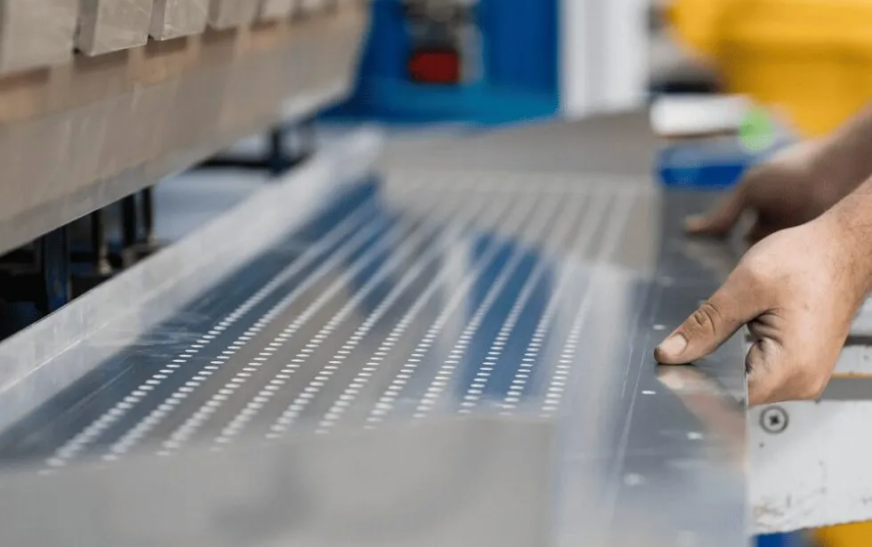
DIY work using an aluminium perforated sheet is a good idea because the gauges homeowners use are light, rust-resistant on their own, and easy to cut with ordinary hand tools. The material itself is simple: aluminium sheet punched with a repeating hole pattern, in shapes running from small round dots to triangles and louvres.
Renovators keep reaching for it because a panel comes together without a welder or a trade ticket. That’s a big part of why it’s turned into a go-to material for backyard and weekend jobs across Australian sheds.
What Makes This Material Suit a DIY Skill Level
Aluminium perforated sheet suits DIY skill levels because it’s light to handle, resists corrosion without coating, and cuts with tools most sheds own. That combination matters more than it sounds. A material that needs a welder or a second pair of hands rules out plenty of home renovators before a project even starts.
- Light enough to carry and cut by hand in the thin-to-mid gauges most home jobs use
- Carries a natural oxide layer that resists corrosion without paint or extra coating
- Made across a wide thickness range, 0.8mm up to 10mm at the heavy end, though home projects almost always use 0.8mm to 2mm stock
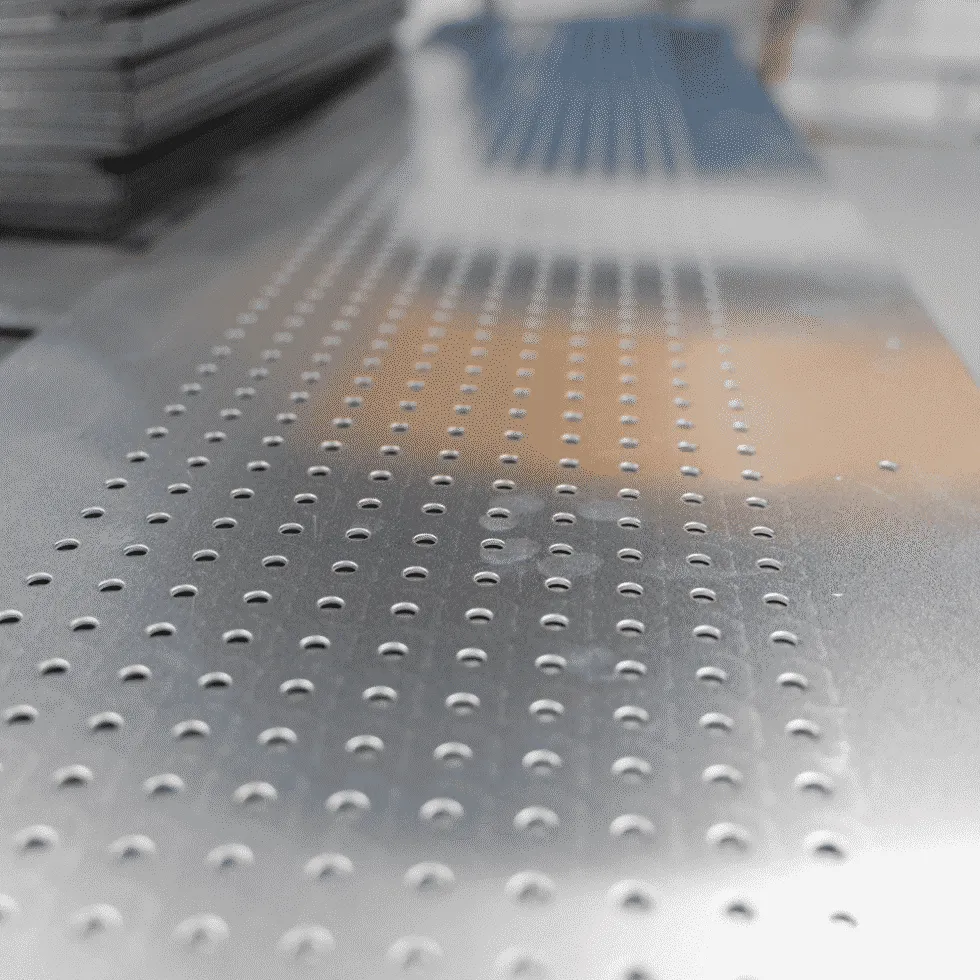
- Round, square, triangular, louvre and dimple patterns can all be punched to size by a fabricator, with simple shapes usually quicker and cheaper to get cut than a custom design
- Forgiving of a slightly off cut, since the hole pattern hides minor edge wobble
The bigger drawcard for a lot of first-timers is simply how little goes wrong on a first go. A cut running a few millimetres out still leaves a panel that works fine.
Tools Worth Having Before Starting
A short tool list covers most DIY jobs with this material, and none of it needs a trip to a specialist supplier. A fine-tooth metal-cutting blade in a jigsaw handles curves and straight runs alike. An angle grinder with a thin cutting disc makes faster work of thicker stock, while aviation snips suit small trims and corners.
- Fine-tooth jigsaw blade or angle grinder with a thin metal disc
- Aviation snips for small cuts, corners and trimming
- A deburring tool or flat file to knock sharp edges off after cutting
- Clamps to hold the sheet still, since aluminium shifts more than timber under a blade
- A centre punch and correctly sized drill bits for fixing holes
- Safety glasses and gloves, since swarf and sharp edges come with the territory
One detail that trips up first-timers is pilot hole size. A hole drilled just under the screw diameter stops the sheet puckering or cracking around the fixing point. Go oversized on the bit and that problem mostly disappears; go undersized and it shows up almost every time. Most operators reckon a few practice holes in an offcut before drilling the real panel saves more grief than any specific bit size.
Picking a Hole Pattern and Thickness for a Weekend Job
Pattern and thickness depend on the job: airflow and privacy need different specs than a freestanding panel that must hold its own shape. Sorting this out before cutting saves a wasted sheet.
- Thin stock (0.8mm to 1.2mm) suits vent covers on cabinets and media units, and anything else fully backed by a frame
- Mid-range stock (1.6mm to 2mm) holds its shape for freestanding screens or fence infill
- Small holes on tight centres give more privacy with limited airflow
- Larger holes, or a higher percentage of open area, trade privacy for extra light and breeze
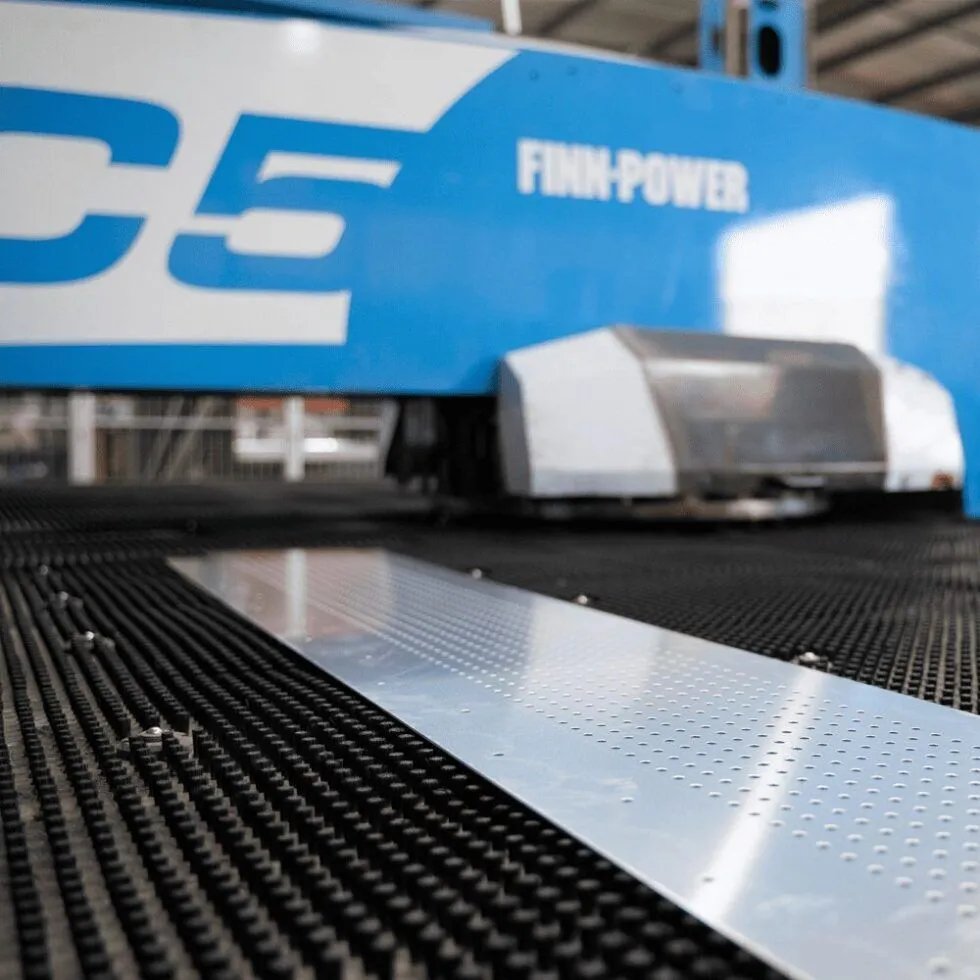
- Custom shapes, like house numbers or a logo, go through the same turret-punch process but take longer and cost more than a standard round or square pattern
A directional hole pattern, with rows running one way instead of scattered, needs a bit more care when cutting. Sheets cut hard against the grain of that pattern are more likely to bow. A lighter first pass, with support on both sides of the cut, tends to keep the edge straighter.
Frequently Asked Questions
Can Aluminium Perforated Panels Be Cut at Home Without Special Equipment?
Yes, this is well within reach of an average home setup. A jigsaw or angle grinder, each fitted with a fine metal blade or thin disc, cuts through sheet under 3mm without much trouble. Aviation snips make quick work of smaller trims. Stock past that thickness calls for a bench-mounted tool instead of hand tools alone.
Does Perforated Aluminium Need Any Coating for Outdoor DIY Projects?
Perforated aluminium doesn’t need coating as a rule for outdoor DIY projects. The oxide layer that forms naturally on the surface already does most of the protective work outdoors. Powder coating gets picked mainly for colour rather than protection, and anodising suits anyone chasing a tougher, coloured finish worth the extra spend.
What Thickness Suits a Freestanding DIY Screen or Panel?
Most freestanding screens sit in the 1.6mm to 2mm range, thick enough to resist flexing in the wind without extra framing behind it. Going thinner is still workable, but only once the panel sits inside a rigid frame on every edge. Drop below about 1mm unsupported and the sheet tends to drum noticeably in a stiff breeze.
Final Thoughts
There’s no single right spec for aluminium perforated sheet, only the one that matches a specific job. Getting the thickness and hole pattern right up front avoids most of the rework, and taking care with fixings avoids the rest. Beyond that, it comes down to picking up a saw, a drill and a bit of patience for the first cut.