
When the first cold snap hits, most of us flick the heating on and expect instant comfort. If the system has been ignored since last winter, that quick blast of warm air can hide problems that put your home, health, and wallet at risk.
Skipping pre-winter maintenance might feel like a time saver, but the hazards range from nuisance breakdowns to genuine safety issues. Let’s discuss what can go wrong, how to reduce the risks, and why engaging a licensed technician before winter is the safest and smartest move.
Why Skipping Maintenance Is Risky
Every heating system slowly drifts out of tune. Dust builds up, parts wear, and small faults develop. Left unchecked, those minor issues compound. The result is a heater that runs hotter and longer to achieve the same temperature, stresses components, and increases the chance of failure when you need it most. More importantly, a neglected unit can become unsafe, particularly if gas combustion or high-load electrical circuits are involved.
Fire Risks Increase When Heaters Aren’t Serviced
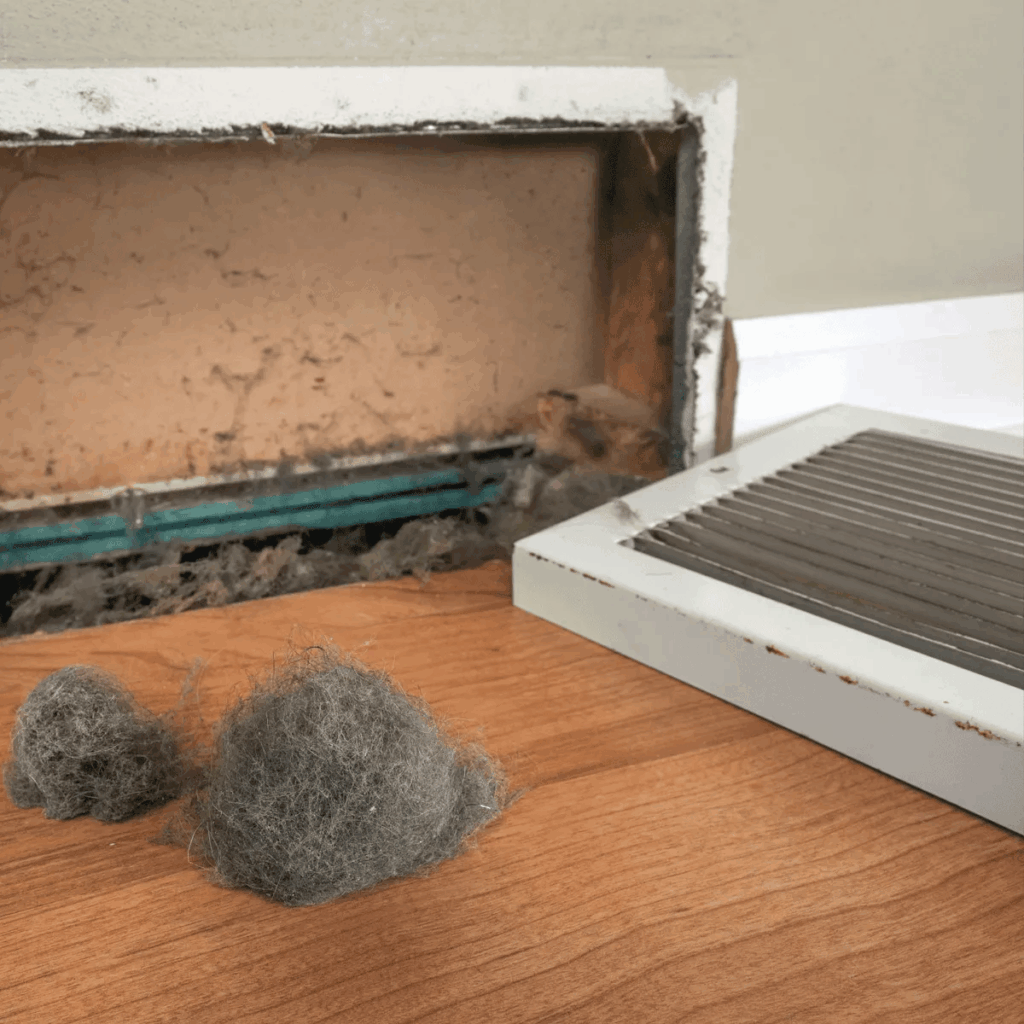
A heater pulls air through itself for hours at a time. Over months of disuse, lint, dust, pet hair, and airborne debris settle on internal surfaces and near heating elements. In systems with electric resistance elements or older fan heaters, that debris can smoulder.
In ducted systems, dust inside the return and supply sections can also overheat if filters are clogged and airflow is restricted. Gas units face additional hazards if burners become fouled and flame characteristics degrade, creating hotspots and back-burn issues in extreme cases. Regular cleaning, filter replacement, and inspection reduce these ignition risks significantly.
Carbon Monoxide and Indoor Air Quality Concerns
Gas heaters and gas log fires must burn cleanly and vent exhaust fully. If burners are dirty, heat exchangers cracked, or flues partially blocked, combustion can become incomplete. That raises the risk of carbon monoxide production, which is both odourless and dangerous. Even when CO is not present, poor combustion adds nitrogen dioxide and other irritants to indoor air, worsening asthma and respiratory symptoms.
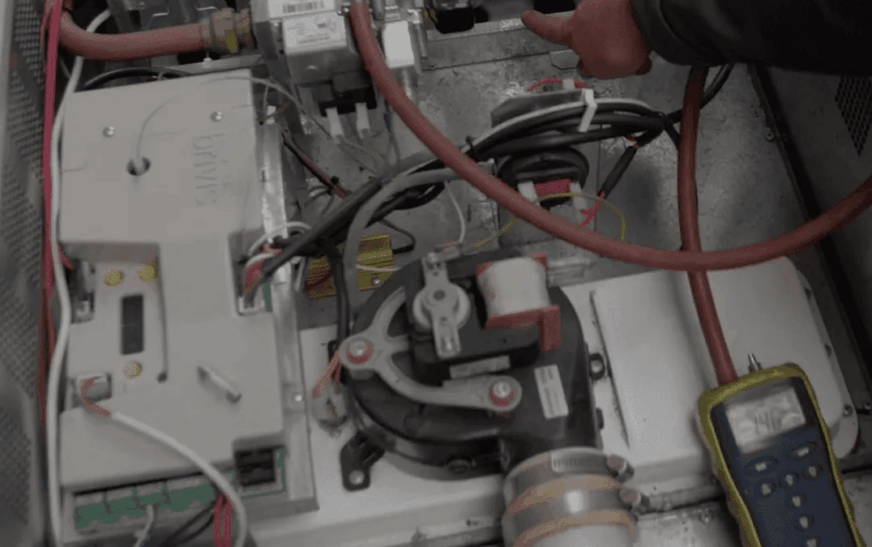
Annual testing of combustion efficiency and flue draw is essential to keep the air safe. A licensed technician uses calibrated instruments to verify that exhaust is exiting properly and that burner settings are within specification.
Electrical and Gas Faults Can Escalate Quietly
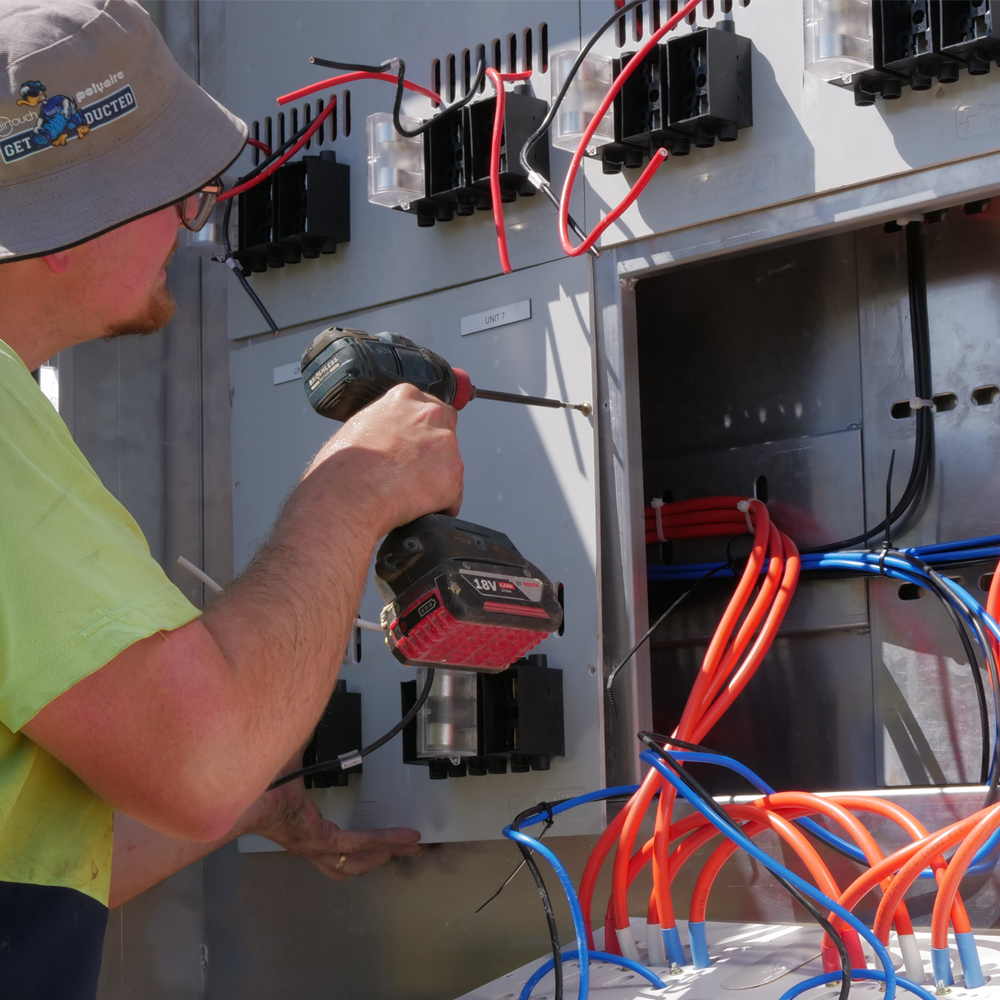
Heating systems combine motors, high-current circuits, control boards, and, for gas appliances, valves and ignition systems. Loose electrical connections create arcing that damages terminals and can trip breakers. Failing capacitors and worn fan bearings push motors to overheat. On gas systems, a sticky gas valve, cracked igniter, or faulty flame sensor can cause repeated misfires or delayed ignition. These are the sorts of issues that may seem like minor quirks early on but can quickly turn into no-heat failures during a cold front. Professional testing picks up these faults before they escalate.
Efficiency Losses Drive Up Winter Energy Bills
A neglected heater costs more to run. Common culprits include clogged filters, underserviced burners, miscalibrated thermostats, and ducts with small leaks. Each reduces efficiency, so the unit works longer to reach setpoint. That means higher power or gas consumption and more wear per heating hour. A pre-season service that restores airflow, calibrates controls, and optimises combustion can shave meaningful dollars off winter bills while extending the equipment’s life.
Reliability Drops Right When You Need Heat Most
Systems are most likely to fail at peak loads, which usually coincide with the coldest nights. That is precisely when callouts spike and response times lengthen. Preventive maintenance is about shifting the fix from an emergency in mid-July to a scheduled check in early autumn. You avoid the scramble, keep the family comfortable, and reduce stress on the equipment.
Warranty, Insurance, and Compliance Considerations
Many manufacturers recommend or require routine servicing to keep warranties valid. Insurers may also take a dim view of fire or smoke claims where the heat source was neglected or obviously in poor condition. In rentals and strata properties, the stakes can be higher because owners and managers have duties to provide safe, well-maintained services. Having a dated service record from a licensed technician is a straightforward way to demonstrate due care.
Common Systems and Their Specific Risks
Different heater types fail in different ways. Knowing the pattern helps you plan the right checks.
- Ducted gas heaters. Risks include cracked heat exchangers, fouled burners, and blocked flues. Symptoms can be yellow or rolling flames, soot, and unusual smells. Annual combustion testing and heat exchanger inspection are must-dos.
- Reverse-cycle air conditioners and heat pumps. Issues cluster around coils, fans, and controls. Dirty outdoor coils and indoor filters reduce efficiency and strain compressors. Electrical inspections, coil cleaning, and airflow checks keep performance strong.
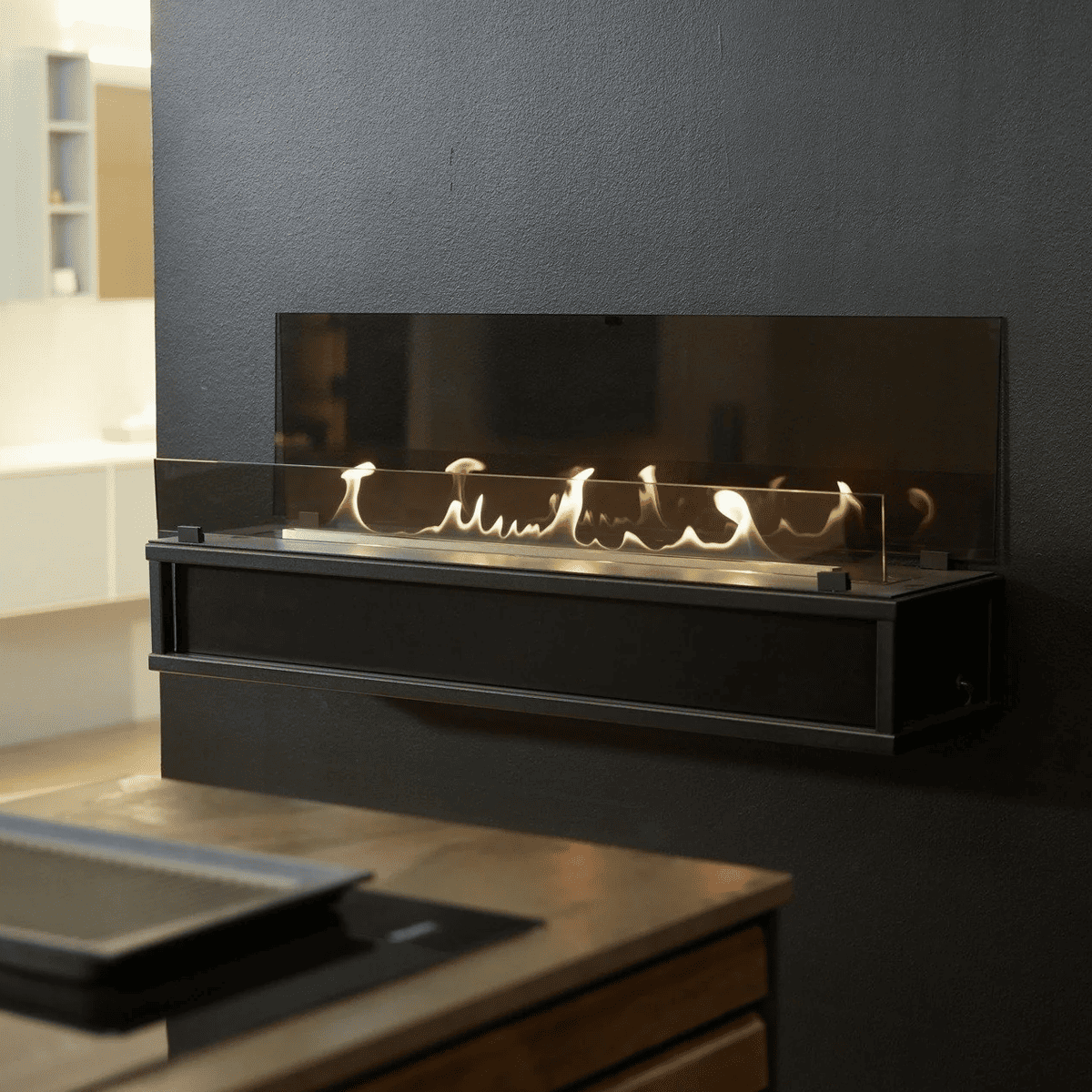
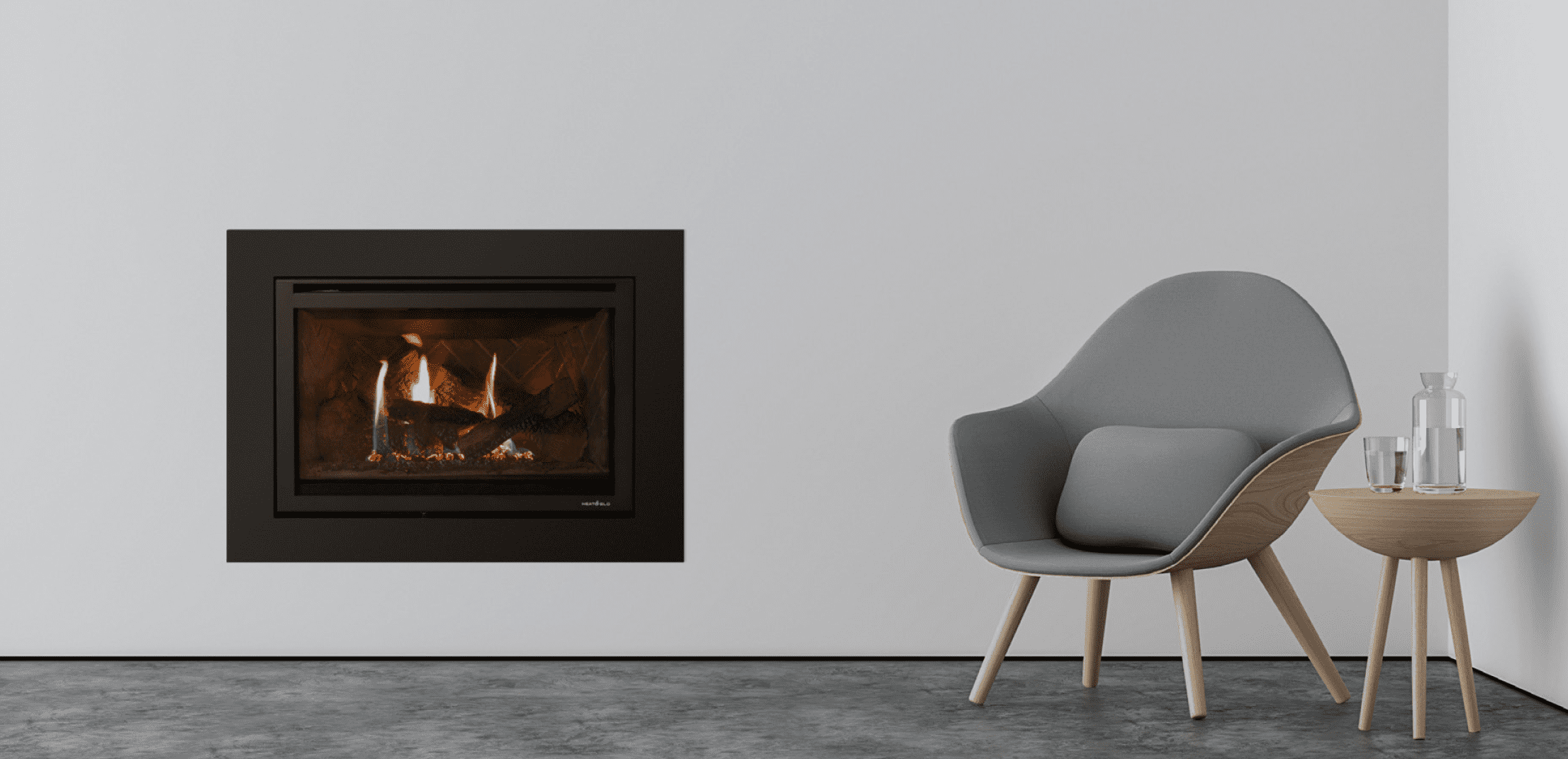
- Wall furnaces and gas log fires. Because they sit in living areas, dust and fluff build up at burner inlets and pilot assemblies. These units need careful cleaning and flue checks to prevent spillage.
- Portable electric heaters. Often stored in cupboards, they collect dust and lint. Frayed cords, damaged plugs, and obstructed intakes are fire hazards. Visual inspection and a basic test and tag process before winter are wise.
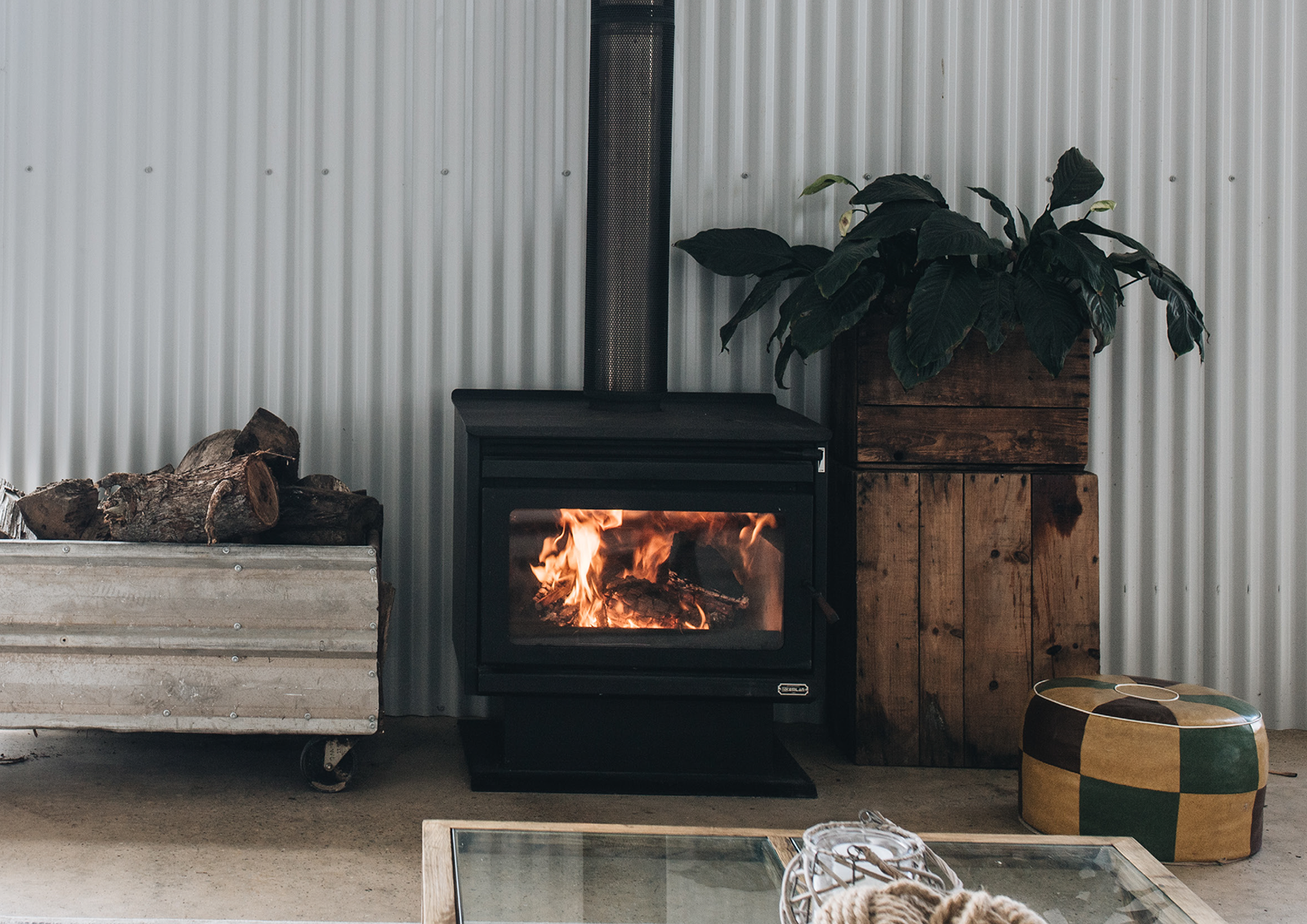
- Wood heaters. The main risk is creosote buildup in flues, which can cause chimney fires. An annual sweep and inspection of baffles, door seals, and ash management is essential.
What a Proper Service Includes
A thorough pre-winter service is more than a quick vacuum. Expect the following as appropriate for your system:
- Confirm model details and service history, then run a full operational test from cold start.
- Replace or clean return air filters and check filter sizing and fit.
- Inspect heat exchangers or electric elements for damage or hotspots.
- Clean burners and check flame shape, colour, and stability.
- Test flue integrity, draft, and termination. Clear nests and obstructions.
- Measure combustion efficiency and, where relevant, carbon monoxide levels.
- Check electrical connections, terminals, capacitors, and motor current draw.
- Inspect and tension fan belts where fitted. Lubricate bearings if serviceable.
- Verify refrigerant pressures and temperatures for heat pumps.
- Calibrate thermostat offsets and verify zoning and airflow balance.
- Inspect ducts for kinks, tears, or disconnected joins. Repair minor defects.
- Document findings and recommend any follow-up repairs.
DIY Tasks You Can Do Safely Before Winter
There is value in simple housekeeping jobs between professional services. Focus on tasks that do not involve gas, high voltage, or sealed components.
- Vacuum and replace accessible return air filters.
- Clear the outdoor unit of leaves and obstructions.
- Make sure flue terminations are not covered by vines, nests, or debris.
- Check that supply registers and returns are open and unobstructed by furniture.
- Confirm the thermostat time and schedules after power cuts.
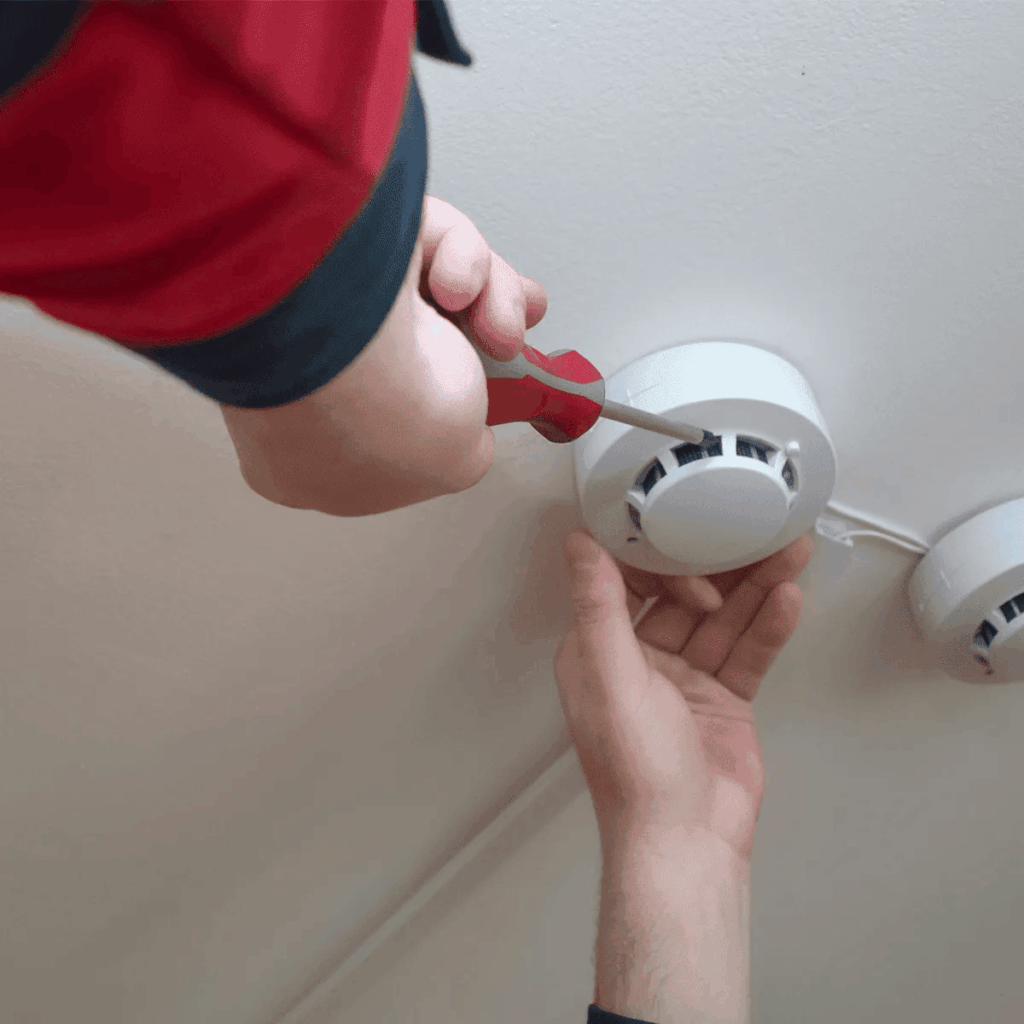
- Test smoke alarms and install or test a carbon monoxide alarm near sleeping areas if you use gas heating.
- Store portable heaters off dust-heavy surfaces and inspect leads and plugs.
Anything involving combustion tuning, electrical internals, refrigerant circuits, or gas piping should be left to a licensed technician.
Bottom Line
Forgoing winter heating maintenance is a gamble with poor odds. The hazards include fire risk, carbon monoxide exposure, electrical and gas faults, higher bills, and inconvenient breakdowns right when you want heat the most.
A straightforward pre-season service, paired with a few safe DIY checks, removes those risks and often pays for itself in comfort and reliability. Book early, keep records, and rely on a licensed technician to keep your system safe and efficient all winter.