
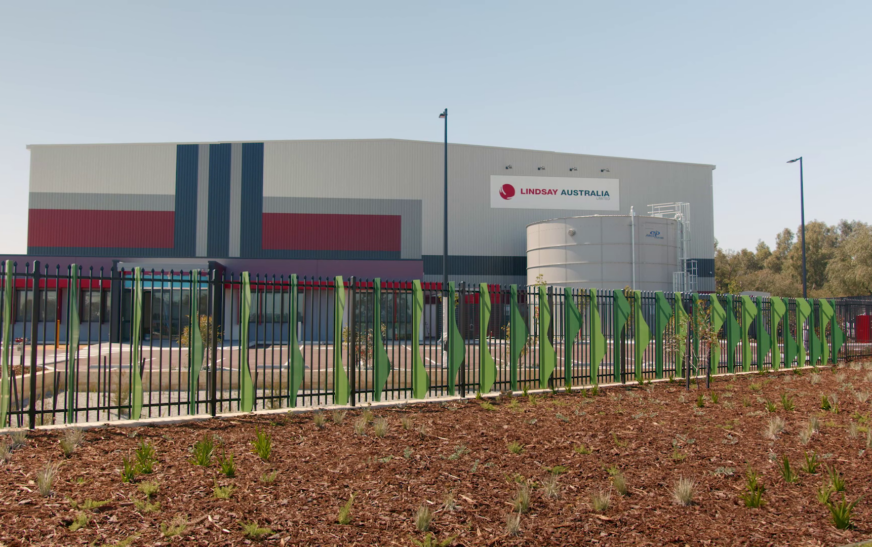
Commercial electrical infrastructure installation sets the baseline for operational uptime in any heavy industry. Doing it properly from day one prevents catastrophic power failures.
Maximum demand refers to the absolute peak electrical load a site will draw when all major plant equipment runs at full capacity simultaneously. Locking in this exact figure early dictates the required street transformer size and main breaker ratings. If the engineering team guesses this number, the whole site will struggle indefinitely. Undersized mains will simply trip out when production lines hit full tilt.
Initial Load Calculations and Supply Capacity
Load calculations dictate the main switchboard size and incoming supply requirements for any new commercial facility. The local supply authority needs exact figures to provide the right transformer for the site. Getting this wrong creates massive delays for the entire build. Experienced estimators don’t just look at standard nameplate data when running the numbers.
- They factor in massive start-up currents for heavy refrigeration compressor motors.
- They account for future expansion plans outlined heavily by the facility managers.
- They calculate voltage drop over exceptionally long sub-main cable runs.
- They assess the heavy impact of variable speed drives on the wider network.
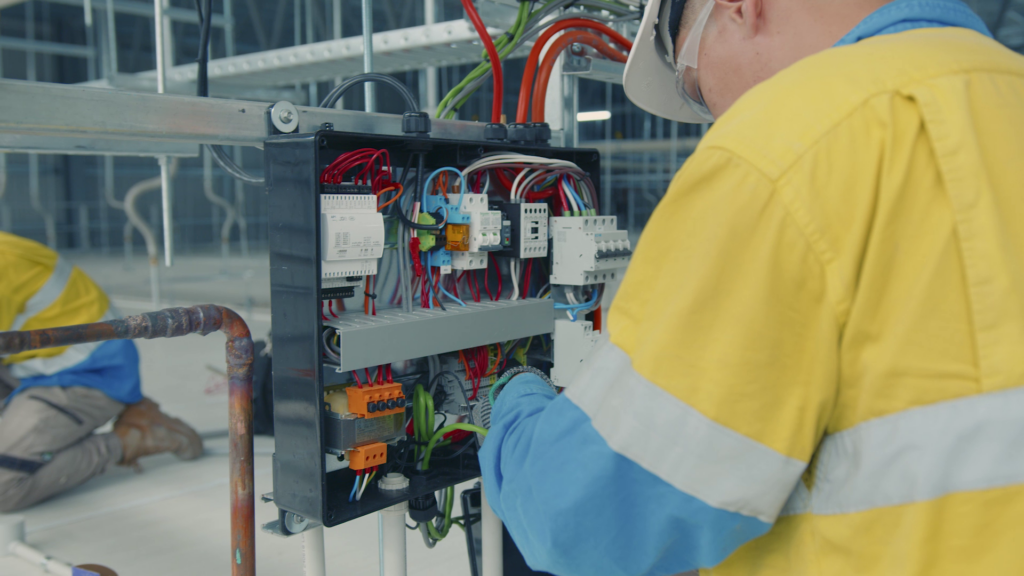
Designing the Main Switchboard
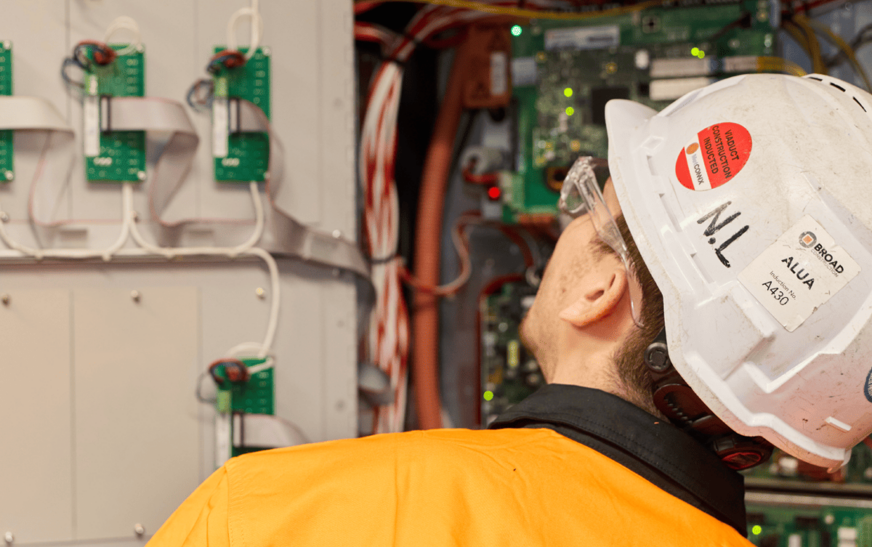
Designing the main switchboard requires matching the internal form factor to site fault levels while leaving twenty percent spare capacity. The main board is the absolute heart of the electrical system. If it fails, the entire site stops immediately. Compliance with AS/NZS 61439 standards is strictly non-negotiable for modern commercial builds.
- Form 4b construction keeps different functional units fully segregated with internal metal barriers.
- Generous cable alleys prevent damage to copper conductors during final terminations.
- Proper ventilation stops internal components from overheating under heavy daily continuous load.
Managing Cable Pathways and Containment
Cable pathways must be separated by voltage classes and sized to prevent thermal derating under maximum operational loads. Running high-voltage sub-mains right next to sensitive data cables creates dangerous electromagnetic interference. Good separation practices ensure reliable data transmission across the entire facility. It’s also a requirement for keeping the installation compliant with local wiring rules.
- Heavy power cables require heavy-duty galvanised steel ladder trays for proper physical support.
- Data and control wiring should sit on entirely separate enclosed communication trays.
- Physical spacing between large power cables prevents dangerous heat build-up.
- Fire-rated mechanical penetrations are mandatory when crossing different building zones.
Integration of High-Draw Refrigeration Plant
Integrating high-draw refrigeration requires staggered start sequences and dedicated sub-mains to prevent severe voltage drops across the network. Massive compressor motors pull huge starting currents when they first engage. If they all fire up at once, the whole site suffers a massive voltage dip. Careful programmable control logic prevents this specific operational issue.
Automated control systems must communicate without faults with the main switchboard. When a large freezer room calls for cooling, the electrical infrastructure needs to handle the sudden load. Variable speed drives help manage these massive power spikes efficiently. They ramp the heavy motors up slowly to reduce mechanical stress.
Harmonic distortion is a known side effect of running large motor drives constantly. Unfiltered harmonics cause dangerous overheating in neutral conductors and supply transformers. Installing active harmonic filters cleans up the power quality immediately. It protects sensitive electronic gear located elsewhere in the building.
Frequently Asked Questions
How Often Should Commercial Switchboards Be Thermally Scanned?
Annual thermographic scanning is the standard recommendation for heavy commercial sites. High-vibration environments or facilities with massive continuous thermal loads usually require scans every six months. Catching these hot spots early prevents catastrophic fires and unexpected operational outages.
What Causes Premature Breaker Tripping in Cold Storage?
Premature tripping often stems from entirely inadequate thermal management within the switchboard enclosure itself. It also happens when multiple heavy compressor motors attempt to start simultaneously. Proper control staging and adequate ventilation usually fix the problem permanently.
Why Do Cable Trays Need Spare Capacity?
Cable trays need spare physical space to allow necessary heat dissipation from high-current sub-mains. Leaving spare capacity also means future equipment additions won’t require entirely new tray installations. It keeps long-term expansion costs down for the facility owner.
Key Takeaways
Executing a major commercial electrical infrastructure installation requires rigorous physical planning and strict adherence to design specifications. Rushing the initial load calculation phase always leads to severely compromised site performance. Proper cable management and well-designed main switchboards form the absolute foundation of a reliable facility.