
Spring in Australia is the season where lawns shake off winter stress and prepare for the hotter months ahead. Grass that has survived cold weather often looks dull, patchy, or weak, and without proper spring lawn care, it can struggle through summer.
The attention you give your lawn now creates a strong foundation for the rest of the year. By building healthy soil, encouraging growth, and addressing hidden issues early, spring care ensures your lawn thrives across all seasons.
The Importance of Aeration in Spring
Compacted soil is a silent problem that prevents roots from accessing water and nutrients. In spring, aerating your lawn is one of the most effective steps you can take to restore growth. By punching small holes into the soil, oxygen and moisture can reach deeper layers, strengthening the root system.
For high-traffic areas where the soil is especially firm, core aeration is recommended. Once done, you can top dress with compost or sandy loam to further improve soil structure. This not only boosts immediate growth but sets up your lawn for resilience in summer.
Fertilising for Stronger Growth
Nutrients depleted during winter must be replenished if you want thick, green coverage. Spring is the ideal time to apply a slow-release fertiliser that encourages balanced growth. Unlike quick fixes that create short-lived bursts of green, a slow-release formula feeds your lawn steadily for weeks.
When choosing a product, look for fertilisers that balance nitrogen, phosphorus, and potassium. This balance supports leaf colour, strong root growth, and disease resistance. Fertilising in spring is not just about looks; it prepares your lawn to handle summer heat and even winter dormancy more effectively.
Managing Weeds Before They Spread
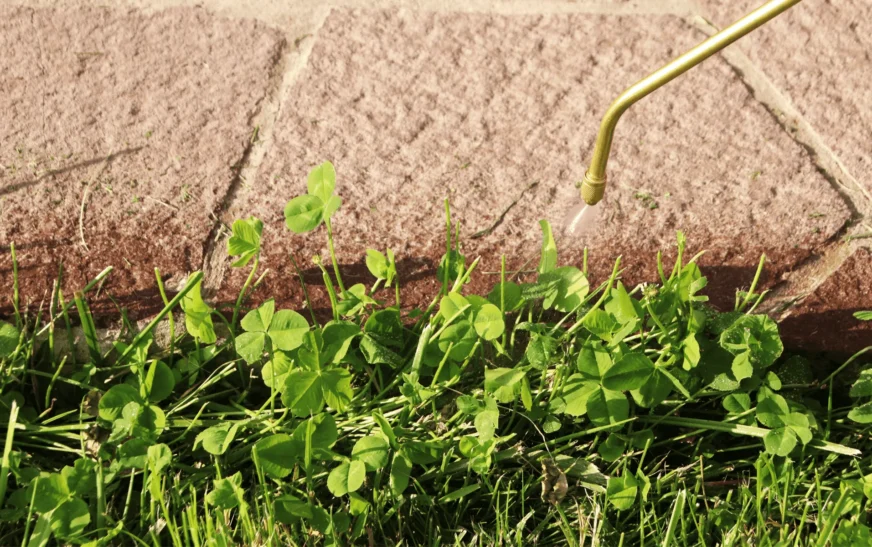
Weeds compete aggressively with grass for light, water, and nutrients. Left unchecked, they can overrun a lawn within a single season. Spring is the best time to tackle weeds because they are still small and vulnerable. Hand removal works for isolated weeds, but larger infestations may require selective herbicides. Regular mowing also weakens weeds by cutting off their seed production. Taking action now prevents a cycle of constant weeding later in the year.
Overseeding for a Thicker Lawn
If your lawn looks patchy, overseeding is an effective solution. This process involves spreading fresh grass seed over existing turf to fill in bare spots. Spring temperatures in Australia provide the right balance of warmth and moisture for seed germination. Pair overseeding with aeration for best results, as seeds can settle more effectively into the loosened soil. A denser lawn naturally resists weeds, handles foot traffic better, and stays greener through the seasons.
Proper Watering Habits Start in Spring
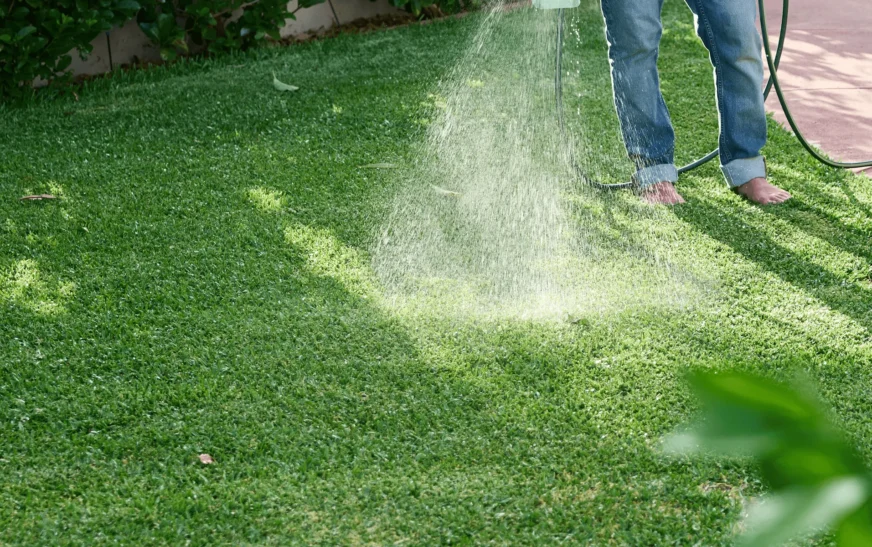
Watering habits formed in spring directly influence year-round lawn health. Overwatering creates shallow root systems that collapse under summer stress, while under-watering leaves grass brittle. The goal is deep, infrequent watering that encourages roots to grow downward.
In most parts of Australia, watering once or twice a week in spring is sufficient. Early morning watering reduces evaporation and lowers the risk of fungal issues. By training your lawn in spring to rely on deeper water, you protect it against dry spells in summer.
Mowing for Growth, Not Just Looks
Spring mowing should focus on encouraging healthy growth rather than just cutting grass short. Raise your mower blades slightly to avoid scalping, which exposes soil and invites weeds. Frequent mowing at the right height strengthens the grass by encouraging lateral growth, creating a thicker, more resilient lawn.
Sharpen your mower blades before spring begins, as blunt blades tear grass and leave it vulnerable to disease. When done correctly, mowing in spring sets the tone for strong lawn structure that lasts through autumn.
Pest and Disease Checks
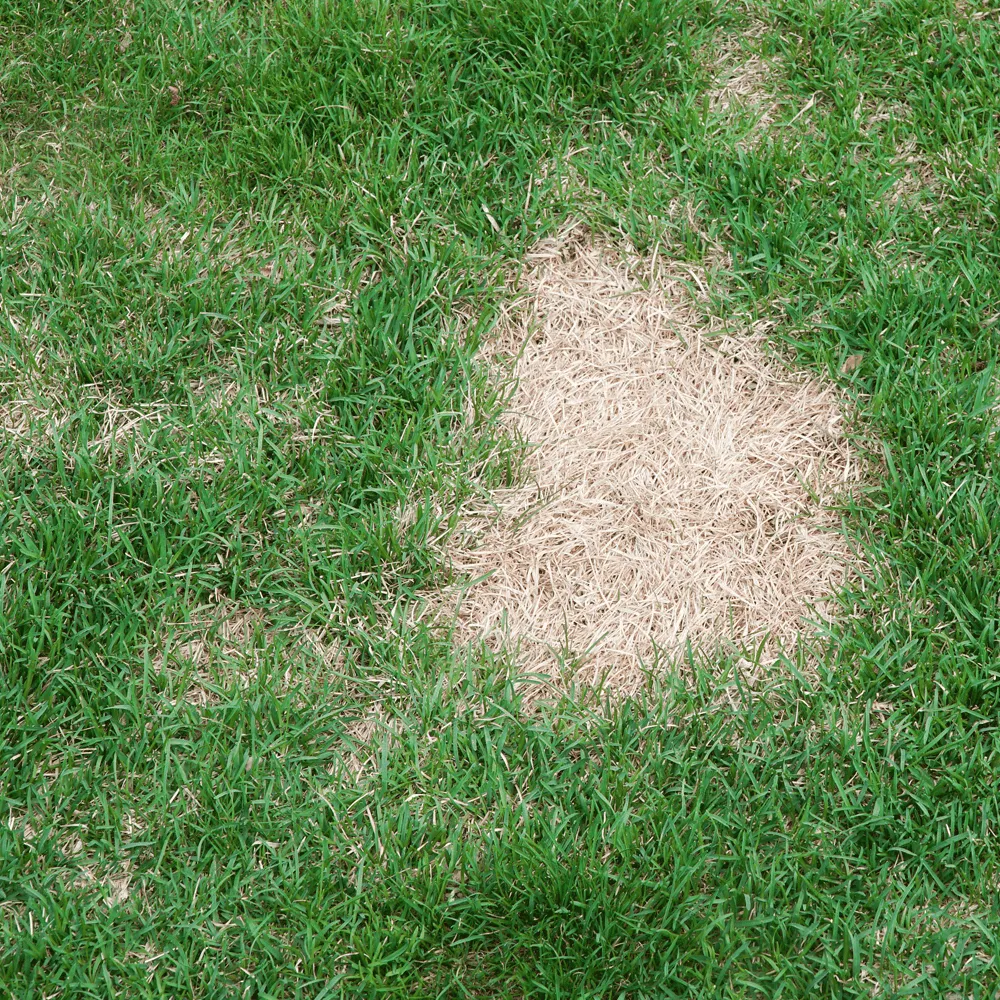
Lawn pests such as beetle larvae and fungal infections often go unnoticed until the damage becomes obvious. In spring, monitor your lawn for unusual brown patches, spongy soil, or discoloured blades.
Early detection makes control easier and prevents widespread damage. Simple measures like aeration, reducing thatch, and balanced watering can naturally reduce the risk of pests and disease. For severe cases, targeted treatments are more effective when applied early in the season.
Why Professional Help Can Make a Difference
While many lawn care tasks can be done yourself, professional services offer expertise and efficiency. Specialists can test soil accurately, recommend the right fertilisers, and provide treatments that homeowners may not have access to. For lawns with recurring problems, such as severe compaction or persistent weeds, professional intervention in spring can save money and time in the long run. Combining DIY care with expert help gives your lawn the best possible chance of thriving.
Final Thoughts
Spring is the season that sets the rhythm for your lawn’s health across the year. By investing time and effort into aeration, fertilisation, weed control, and proper mowing habits now, you avoid bigger issues later.
Healthy soil, smart watering, and regular checks ensure that your lawn not only survives but thrives through summer heat, autumn wear, and winter dormancy. Consistent lawn care in spring is the key to enjoying a lush, resilient, and low-maintenance yard year-round.