
Keeping a lawn green and healthy in winter can feel like a battle. While the cooler weather slows grass growth, weeds don’t always get the memo. Left unchecked, they creep in and take over, leaving you with more work when spring arrives. Good winter lawn care is less about flashy growth and more about prevention, protection, and planning.
Why Winter Lawn Care Still Matters
It’s tempting to ignore your lawn during the cooler months, especially when mowing is less frequent. But weeds are opportunists. They thrive when grass is weaker and less competitive. Winter care ensures your turf stays resilient, making it harder for weeds to settle in. A little effort now saves a lot of headache later, preventing bare patches and heavy infestations come spring.
Maintaining a regular winter lawn care routine also supports soil health, moisture balance, and long-term grass density. Think of it as reinforcing your lawn’s immune system before the next growing season.
Common Winter Weeds in Australian Lawns
Not all weeds flourish in cold conditions, but several species are well-adapted to cooler soil. Recognising them early makes management far easier. Some of the most common winter weeds include:
- Wintergrass (Poa annua): A light-green, tufted grass that spreads quickly in bare spots. It sets seed rapidly, making it hard to eliminate once established.
- Bindii (Soliva sessilis): Known for producing prickly burrs that cause trouble in summer if ignored during winter.
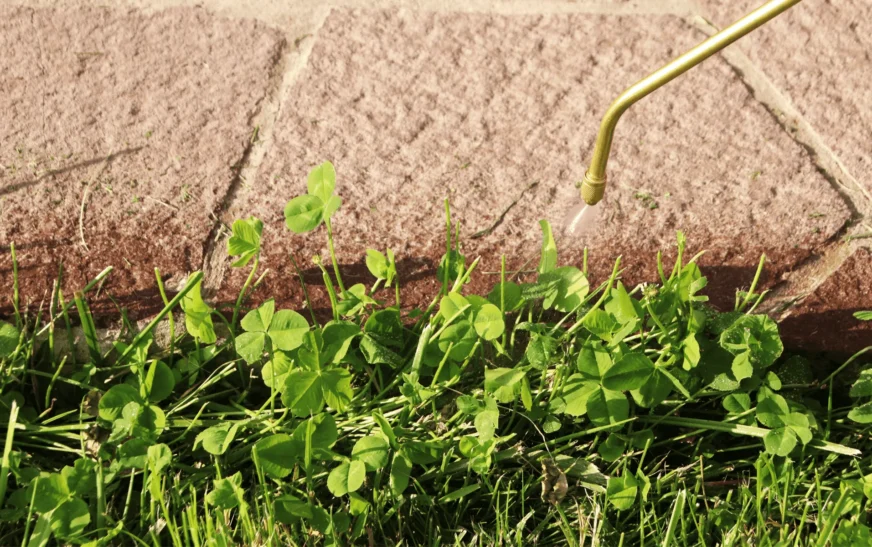
- Clover: While some tolerate it, clover can dominate lawns during cooler weather, outcompeting turfgrass.
- Broadleaf weeds: Dandelions, chickweed, and thistles often appear in winter when grass growth slows.
These weeds exploit weakened turf, and without intervention, they can dominate large areas before spring.
Assessing Your Lawn Before Acting

Before jumping into treatments, it’s worth walking your lawn and assessing its condition. Look for thin patches, shaded areas, or compacted soil where weeds often take hold first. Checking soil drainage and pH can also highlight why weeds keep recurring. A quick soil test kit gives you an idea of whether your turf is thriving or struggling.
By identifying weak spots, you can apply targeted lawn care rather than blanket treatments, saving time and effort.
Prevention Is Better Than Cure
Weed control starts with prevention. A strong, dense lawn is naturally more resistant to invaders. While winter doesn’t encourage fast growth, you can still take steps to maintain turf strength:
- Mow carefully: Keep your grass a little longer than usual. Taller blades provide more shade to the soil, discouraging weed germination.
- Improve drainage: Waterlogged patches weaken grass, giving weeds room to move in. Aerating compacted areas helps prevent this.
- Avoid scalping: Cutting too low in winter creates bare soil, a perfect environment for winter weeds to germinate.
Preventive care is less about chemicals and more about smart management. If your grass holds its ground through winter, weeds have fewer opportunities to spread.
Manual Weed Removal: Old but Effective
Hand-pulling may seem basic, but it’s often the most effective winter weed control method. Removing weeds before they seed reduces next season’s problems dramatically. The soil is softer in winter due to rain, making it easier to pull weeds up with roots intact.
A small weeding tool or even a flat-head screwdriver helps with deeper-rooted species like dandelions. While this requires patience, it’s highly targeted and doesn’t risk damaging surrounding grass.
Selective Herbicides: When Manual Removal Isn’t Enough
If weeds have already gained a foothold, selective herbicides can provide relief. These products are designed to target broadleaf weeds while leaving grass relatively unaffected. Winter is a good time to apply them because weeds are still actively growing, and grass is dormant, reducing competition.
When using herbicides, always:
- Choose the right product for your lawn variety. Some chemicals are unsuitable for buffalo grass or certain warm-season turfs.
- Follow label instructions precisely to avoid harming desirable plants.
- Time applications during dry weather to maximise effectiveness.
Herbicides aren’t a one-off fix but part of an integrated lawn care approach. They should complement mowing, aeration, and fertilisation rather than replace them.
Fertilising in Winter: Strengthening the Lawn, Not the Weeds
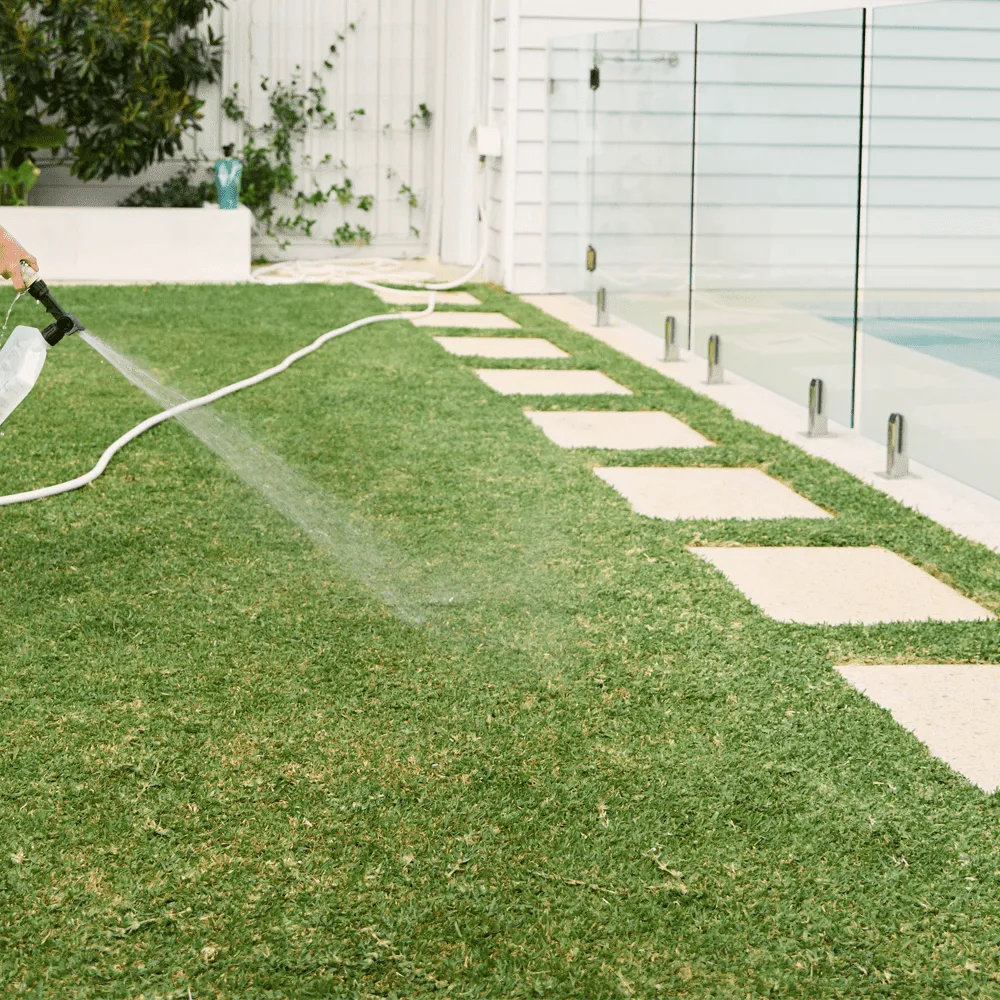
One mistake many homeowners make is over-fertilising in winter. While a light application of a slow-release fertiliser can help turf stay healthy, too much nitrogen boosts weed growth instead of grass. Focus on balanced fertilisers with lower nitrogen and higher potassium, which supports root strength and disease resistance.
A healthy root system helps grass bounce back quickly in spring, giving weeds less chance to dominate.
Lawn Edges and Borders: Weed Hotspots
Weeds often start at the edges of lawns before spreading inward. Paving cracks, garden borders, and neglected corners are perfect launch points. Keeping these areas tidy, weeded, and mulched goes a long way in protecting your entire lawn.
Installing lawn edging can also reduce creeping species like clover and couch from neighbouring areas.
Final Thoughts
Winter lawn care isn’t about rapid growth or frequent mowing. It’s about protecting what you have and keeping weeds in check while your turf rests. Weeds are persistent, but with preventive strategies, selective treatments, and regular monitoring, you can stop them from taking over.