
Aluminium flat sheet wall panels tend to get shortlisted when a space needs a crisp finish, reliable durability, and a material that stays consistent over time. The real value shows up when conditions are tough (moisture, traffic, frequent cleaning) or when you need repeatable results across multiple walls, rooms, or sites.
The sections below focus on practical scenarios where aluminium flat sheet makes sense, what it solves, and the trade-offs worth considering before committing.
What You Are Really Buying with Aluminium Flat Sheet
Aluminium flat sheet is about predictability. It is stable, light for its strength, and resistant to corrosion in most everyday environments due to its natural oxide layer. That said, the environment still matters, coastal salts, trapped moisture, harsh cleaners, and contact with incompatible metals can all create problems if detailing is poor.
When a Clean, Modern Finish Matters
Some spaces need walls that look sharp without constant touch-ups. Painted plasterboard can look great, but it shows scuffs, dents, and patch repairs quickly in busy environments. Aluminium sheet is often chosen when you want a smooth, consistent plane with tidy reveals and fewer visual distractions over time.
This is where aluminium flat sheet wall panels make sense in:
- Reception walls and front-of-house entries
- Corridors where lighting rakes across surfaces (and highlights imperfections)
- Modern interiors that rely on straight lines and crisp junctions
- Spaces where branding colours need consistency from panel to panel
Wet Areas and Spaces That See Steam
Moisture is one of the quickest ways to shorten the life of common wall materials. MDF and some timber products swell, soften, or delaminate when water gets into weak points. Even water-resistant plasterboard still relies on correct waterproofing and surface finishes to perform as intended.
High-Traffic Walls That Cop Impacts and Scuffs
Some walls take daily punishment. Trolleys, bags, shoes, prams, bins, and cleaning equipment all leave marks. If repainting and patching have become routine, it is worth asking whether the wall finish is fit for the job.
Places where this is common:
- School corridors, stairwells, and assembly areas
- Healthcare hallways, waiting rooms, and treatment centres
- Apartment common areas like lifts and lobbies
- Stockrooms and retail back-of-house routes
- Community centres and sports facilities
Projects That Need Lighter Materials without Feeling Flimsy
Weight is not just a structural concern, it affects transport, handling, access, and installation speed. Lighter materials reduce strain on installers and can help when access is tight (stairs, narrow corridors, occupied buildings). Aluminium is light compared to steel and many cladding alternatives, while still delivering a solid feel when installed over suitable framing or substrate.
Aluminium flat sheet metal often fits well in:
- Multi-storey fit-outs where moving materials is a headache
- Tenancy upgrades in operating buildings (less disruption)
- Remote sites where freight costs and handling time matter
- Retrofits where existing walls cannot take heavy loads without extra work
Fit-Outs Where Fast Fabrication and Repeatability Save Time
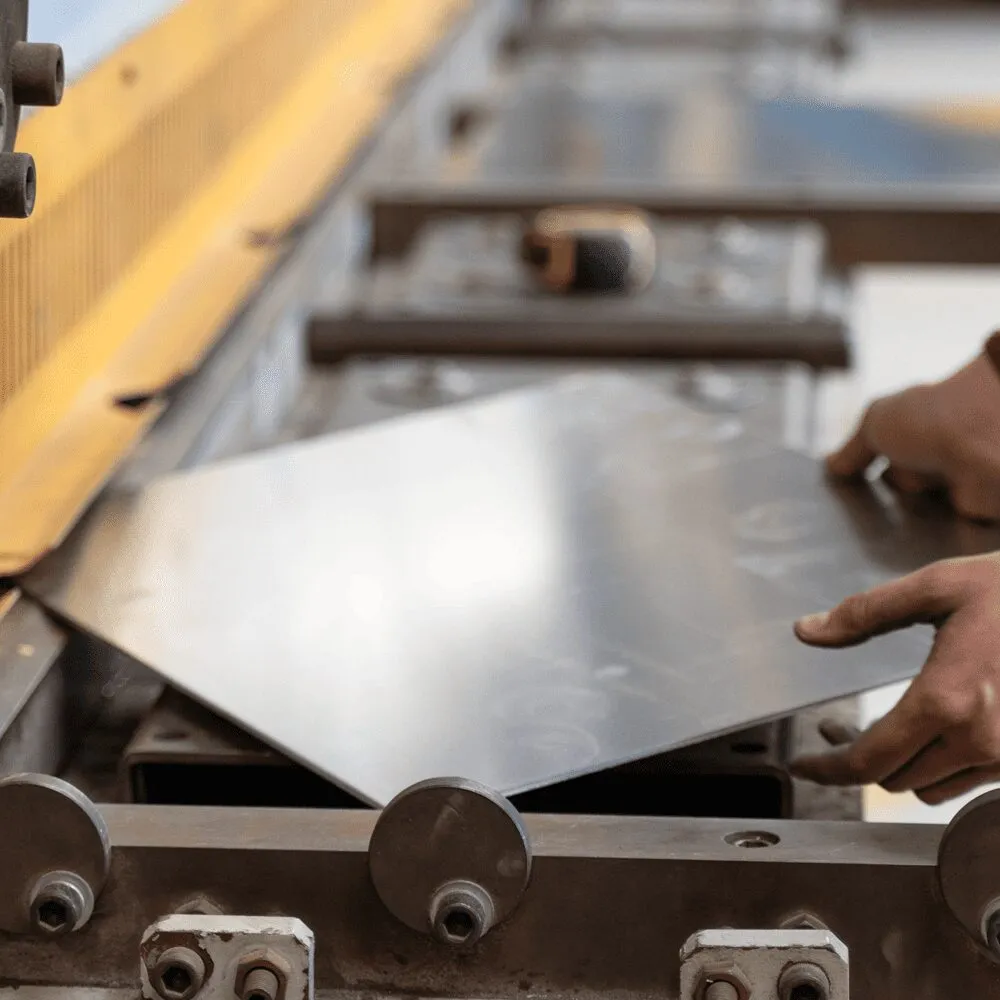
When deadlines are tight, predictable fabrication is a big advantage. Aluminium sheet can be measured, cut, folded, and prepped efficiently. That helps when you need repeating panels, consistent modules, or clean cut-outs for services, especially across multiple tenancies or locations.
This is often where aluminium flat sheet wall panels earn their keep:
- Retail rollouts across multiple locations
- Office fit-outs with repeating meeting room layouts
- Hotels and hospitality refurbishments with standardised rooms
- Medical suites where openings must land precisely and look tidy
Branding, Feature Walls, and “Touchpoint” Surfaces
Feature walls often fail for simple reasons: they get touched constantly, and they are hard to keep looking fresh. Aluminium is a practical choice for feature zones that must look good under heavy use, including branded colour walls, decorative panelling, and high-touch surfaces.
Retrofit Jobs Where Existing Walls Are Ugly or Unreliable
Older buildings can have walls that are uneven, patched, or full of unknowns. Sometimes the cheapest option is not patch-and-paint again, it is covering problem surfaces with a finish that brings everything back to a clean baseline.
Aluminium wall panels can make sense when you need to:
- Hide patched surfaces and inconsistent wall planes
- Cover cracked or marked walls without endless repair cycles
- Protect problem zones like corners and lower wall sections
- Create a new finish line without major demolition
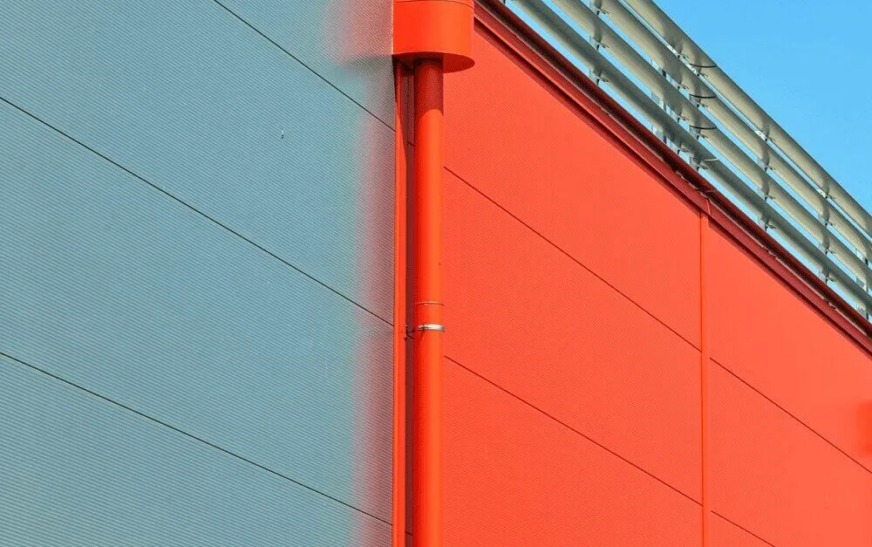
External Walls and Facades Where Conditions Are Harsh
Aluminium is widely used externally, but this is where system design becomes critical. Wind loads, thermal movement, drainage planes, and fixing methods all matter. Aluminium expands and contracts with temperature changes, so detailing needs to allow movement without buckling, joint failure, or noisy “popping” as temperatures shift.
Maintenance Scenarios Where Easy Cleaning Is the Whole Point
Some environments are cleaned hard and often. Paint can dull, stain, or wear through. Textured finishes can trap grime. Aluminium panels, particularly with the right coating, can handle regular wiping without looking tired as quickly as softer finishes.
This often matters in:
- Public toilets and changerooms
- Aged care facilities
- Childcare centres
- Gyms and studios where walls get touched constantly
- Commercial corridors where scuff marks are a weekly issue
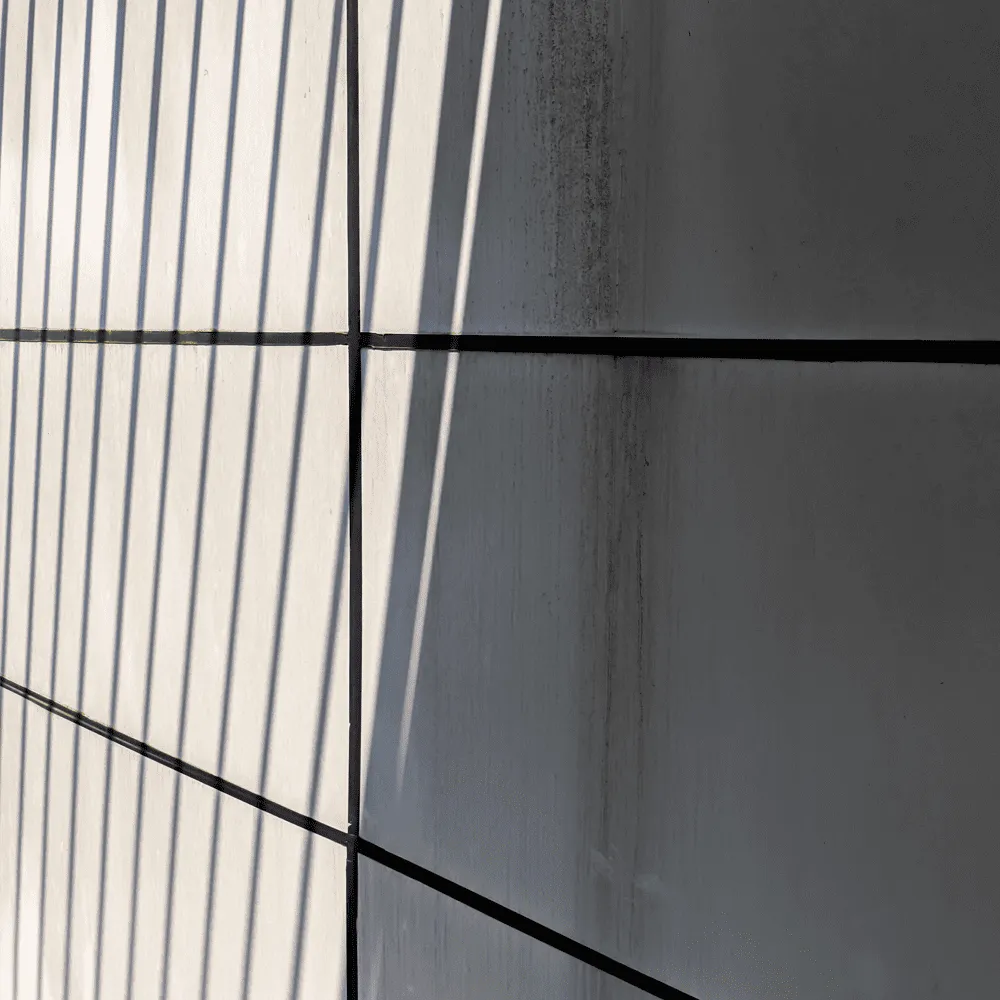
When Aluminium Flat Sheet Wall Panels Are Not the Best Fit
Aluminium is not a universal solution. There are situations where another material is cheaper, more forgiving, or easier to detail for the same outcome. Calling this out early saves time and avoids awkward redesigns later.
Final Thoughts
Aluminium flat sheet wall panels make the most sense in spaces where walls are expected to perform, not just look good on day one. Wet areas, high-traffic corridors, fit-outs with tight timelines, and feature zones that get handled constantly are all situations where aluminium can reduce ongoing patch-and-paint cycles and keep finishes consistent.