
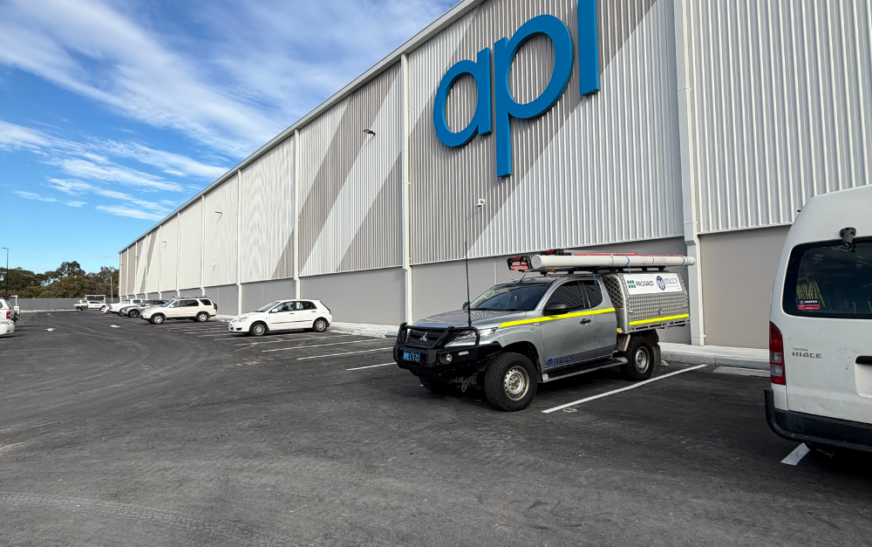
Execution of commercial electrical works requires precise alignment between heavy machinery and power infrastructure. Getting commercial refrigeration online demands building a highly reliable control network for high-load equipment. A mechanical switchboard acts as the central control hub for an entire site, distributing power and managing signals for heating and cooling machinery.
What the Initial Site Assessment Involves
The initial site assessment involves calculating total maximum demand, evaluating existing switchboard capacity, and identifying efficient cable pathways across the facility. Experienced tradespeople don’t trust outdated single-line diagrams when planning heavy electrical works. Site conditions always dictate the real approach. The common line in the trade is that a visual inspection beats paper drawings every time.
Modern facilities often feature heavy automation, requiring installers to map cable routes around complex mezzanine structures and automated conveyors.
- Measuring the exact distance from the main switchboard to the mechanical plant locations.
- Checking the existing mains size to see if it can handle new compressor starting currents.
- Identifying physical obstacles like ductwork or secure vaults that complicate tray installation.
- Verifying environmental conditions like ambient heat or moisture that require specific enclosures.
How Power Demands Dictate System Design
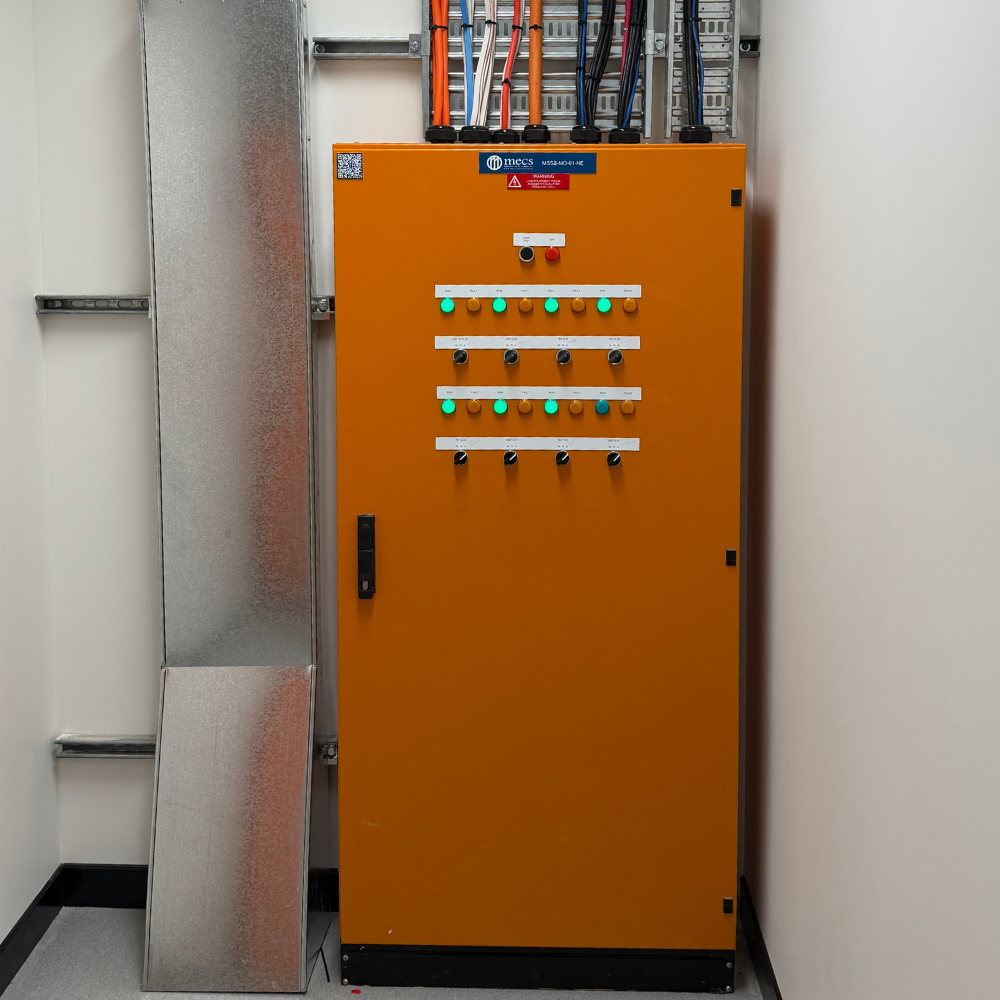
Power demands dictate system design by forcing engineers to select specific circuit breakers, cable sizes, and contactors to handle massive startup loads without tripping. Refrigeration compressors pull massive current spikes when they start up. Field crews see this happen when older facilities attempt HVAC electrical upgrades without upgrading sub-mains. There’s no point throwing money at new chillers if the existing infrastructure can’t feed them.
Pharmaceutical distribution demands strict temperature control to protect highly sensitive cold-chain products. System designers must specify heavy-duty switchgear that guarantees continuous operation under these intense regulatory conditions.
- Specifying variable speed drives to soften the startup current spike on large industrial motors.
- Upgrading the mechanical services switchboard to comply strictly with AS/NZS 3000:2018 wiring rules.
- Selecting heavier cables that won’t overheat during continuous, demanding commercial operation.
What Integration with Building Management Systems Requires
Integration with building management systems requires terminating low-voltage cables between field sensors, controllers, and the switchboard to enable automated climate control. Modern refrigeration communicates constantly with a central computer to maintain precise environments. Installers run dedicated shielded cables to prevent electromagnetic interference from power lines corrupting data signals. Tech crews know that interference wreaks havoc on sensitive temperature readings.
Large pharmaceutical distribution centres often rely on advanced resource data management systems. These sophisticated platforms require perfectly installed field wiring to log historical temperature data accurately for compliance audits.
- Running separate cable trays for high-voltage power and low-voltage control circuits entirely.
- Terminating thermistor probes accurately so the central controller receives exact temperature data.
- Programming variable speed drives to respond instantly to analogue signals from the control unit.
- Testing digital fault outputs thoroughly so alarms trigger correctly if a system fails.
How Fault Finding and Commissioning Actually Work
Fault finding and commissioning work by systematically testing every electrical connection, verifying motor rotation, and simulating fault conditions before practical completion. Technicians inject test signals to confirm the control logic operates as designed. They run rigorous checks on all field devices. Every overload relay gets a proper crack at tripping under simulated stress.
Commissioning a large cold-storage facility takes weeks of methodical testing. It’s common for a missed contactor during this phase to cost thousands of dollars in spoiled product later.
- Testing all motor windings to check insulation resistance before applying any mains voltage.
- Measuring running amps on all three phases to ensure the electrical load is perfectly balanced.
- Forcing high-pressure fault codes artificially to verify the entire system shuts down safely.
- Tuning control loops carefully so the chilled water valves open and close smoothly.
Why Preventative Maintenance Prevents System Failure
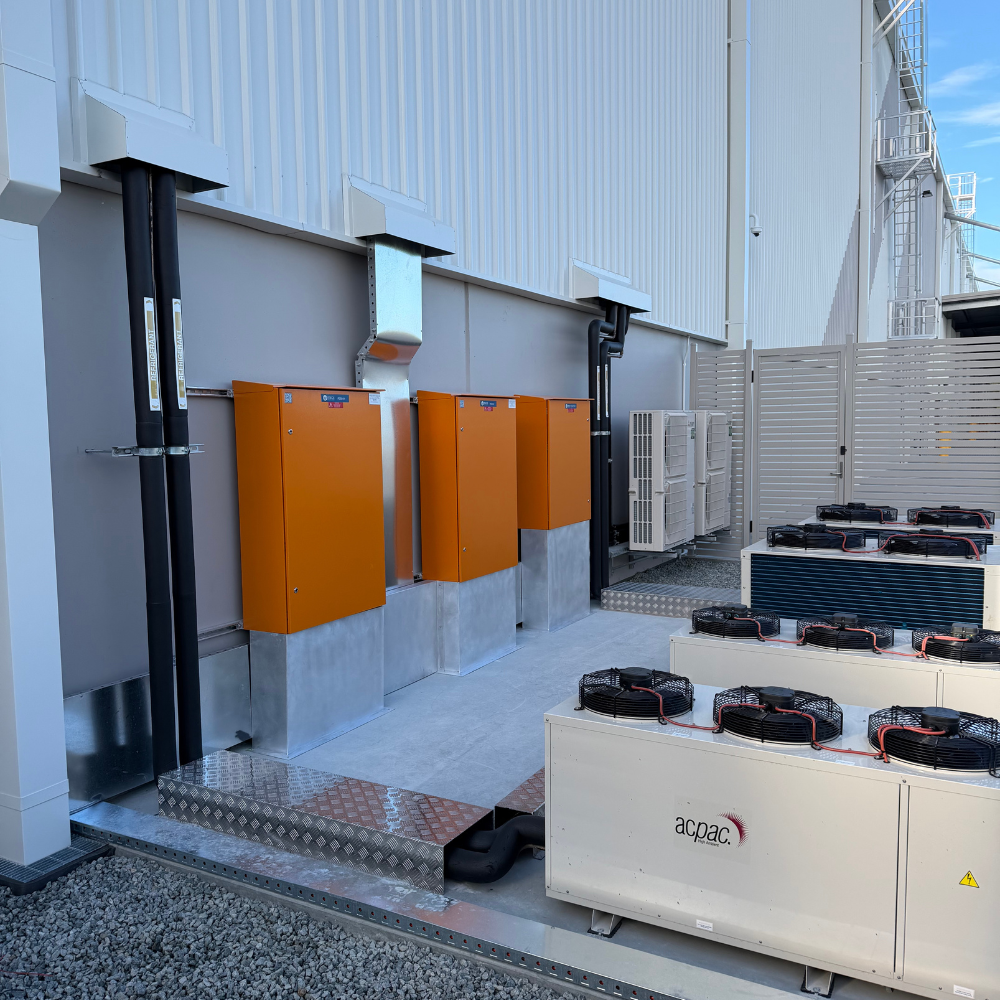
Preventative maintenance prevents system failure by identifying loose terminations, worn contactors, and degraded insulation before they escalate into catastrophic short circuits. Heavy vibrations from large compressors cause terminal screws to loosen over time. A loose connection arcs, generates excessive heat, and eventually melts the switchboard plastic. Routine checks keep critical refrigeration assets running when facilities need them most.
Most commercial maintenance contracts specify quarterly electrical inspections. Technicians check the tightness of all main connections and clean dust out of the cooling fans. Neglected dust buildup restricts airflow and causes expensive electronics to overheat prematurely. The trade knows that regular servicing extends the lifespan of expensive mechanical assets.
High-stakes environments like pharmaceutical storage simply can’t tolerate unplanned electrical outages. Preventative maintenance keeps these sites fully compliant and operational.
Frequently Asked Questions
What Causes Commercial Refrigeration Electrical Boards to Trip?
Commercial refrigeration electrical boards typically trip due to compressor motor overloads or insulation breakdowns within the aging wiring. Moisture entering outdoor enclosures can also trigger safety devices during heavy rain. Regular inspections usually catch these degraded components before they cause a full system trip.
How Often Should Mechanical Switchboards be Inspected?
Australian industry standards recommend comprehensive mechanical switchboard inspections at least annually. High-usage facilities often schedule thermographic scanning every six months to detect loose connections early. Frequent checks prevent catastrophic electrical failures during peak summer operating conditions.
Why Is Dedicated Control Wiring Necessary for HVAC Systems?
Dedicated control wiring is necessary because low-voltage sensor signals are easily corrupted by nearby high-voltage power cables. Running separate, shielded control cables ensures the building management system receives accurate data. This physical separation stops electromagnetic interference from disrupting automated climate adjustments.
Key Takeaways
Executing heavy electrical works requires precise planning and strict adherence to current safety standards. Field crews understand that cutting corners on cable sizing or enclosure ratings leads to premature equipment failure. Properly installed mechanical and refrigeration systems form the reliable backbone of any commercial facility.