
Spring flips the switch on grass growth across Australia. Longer days, warmer soil, and more regular rain push turf from winter idling to full production mode. That extra growth is good news for colour and density, but it also means you will be mowing more often. The trick is to channel that surge into thicker coverage rather than scalped patches and weeds.
Let’s look at what changes in spring, how often to mow, the right cut heights for common grasses, and the practical steps that make frequent mowing easier and smarter lawn care.
What Changes in Spring Growth
Spring alters the basic inputs that control how quickly grass blades are produced. Understanding these drivers helps you set a realistic mowing schedule.
- Warmer soil temperatures wake up the root system, which feeds shoots above the surface.
- Longer daylight hours increase photosynthesis, so the plant has the energy to push new leaves.
- More consistent rainfall in many regions lifts moisture levels and reduces stress.
- Warm-season turf types like buffalo, couch, kikuyu, and zoysia move from slow winter growth to their natural fast lane.
Put simply, the plant is engineered to build leaf area rapidly during spring. If you try to stretch out cuts as if it were winter, you get long, weak blades that collapse, shade the crown, and invite disease. Frequent cuts keep the plant compact, dense, and tougher under foot traffic.
How Often Should You Mow in Spring
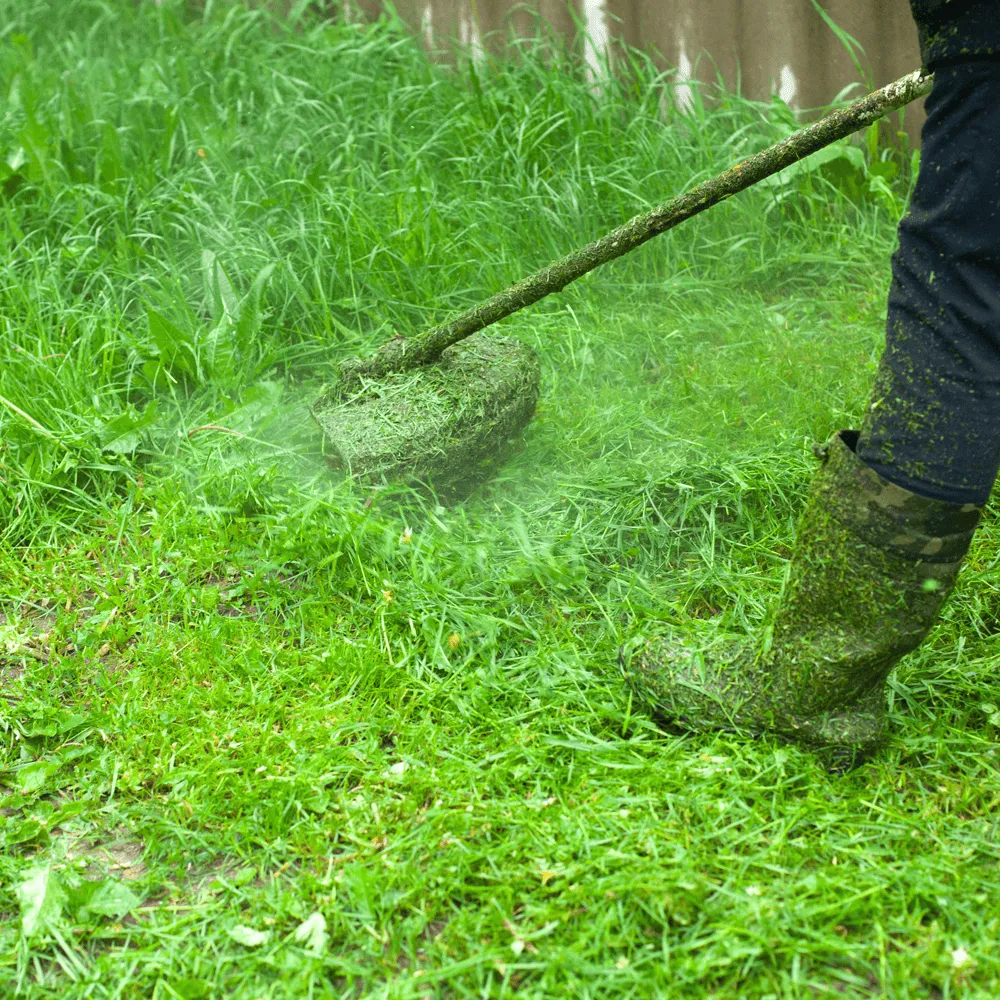
There is no single number that suits every yard, because growth depends on turf type, sunlight, rainfall, and fertiliser. Use these guidelines as a starting point and adjust by observation. You are aiming to remove small amounts often, not big chunks occasionally.
- Buffalo: every 5 to 7 days in most coastal and metro areas once soil warms.
- Couch: every 3 to 5 days when growth is strong, especially on sunny, sandy sites.
- Kikuyu: every 4 to 6 days, since it is vigorous under spring warmth and moisture.
- Zoysia: every 7 to 10 days, generally slower but still quicker than winter.
Regional context matters. In cooler southern zones, early spring may still be a weekly cadence, tightening to every 3 to 5 days as temps rise. In northern and subtropical areas, you may reach peak frequency earlier and sustain it longer.
Set The Right Mowing Height
Cut height is the lever that protects the crown, supports roots, and stabilises moisture. The golden rule is to remove no more than one third of the leaf at each mow. If you are breaking that rule, your interval is too long or your height is too low.
Suggested ranges for common Australian turf types:
- Buffalo: 30 to 50 mm for most home lawns, up to 60 mm in shade.
- Couch: 15 to 30 mm for a tidy domestic finish.
- Kikuyu: 25 to 40 mm to manage vigour without scalping.
- Zoysia: 20 to 40 mm depending on variety and sun.
Raise the deck if your lawn gets partial shade, has thin soil, or dries quickly. A little extra height shades the soil, slows evaporation, and reduces stress, which means better results from the extra spring mowing you will be doing.
Mowing Technique That Protects New Growth
Technique matters when you are cutting more frequently. Small adjustments add up to a healthier surface and a better look.
- Keep blades sharp. Dull blades tear instead of cut, which browns tips and invites disease.
- Alternate patterns. Change directions each mow to stand the grass up and reduce ruts.
- Mow when the lawn is dry, or at least not wet, to prevent clumping and wheel marks.
- Use a catcher when growth is heavy, then switch to mulching once you are in a steady rhythm to return nutrients.
- Trim edges first, then mow, so clippings from the edges are picked up in the main pass.
- Avoid scalping high spots. If you see soil or thatch, lift your height and level later with topdressing.
Fertilising And Watering to Support Frequent Mowing
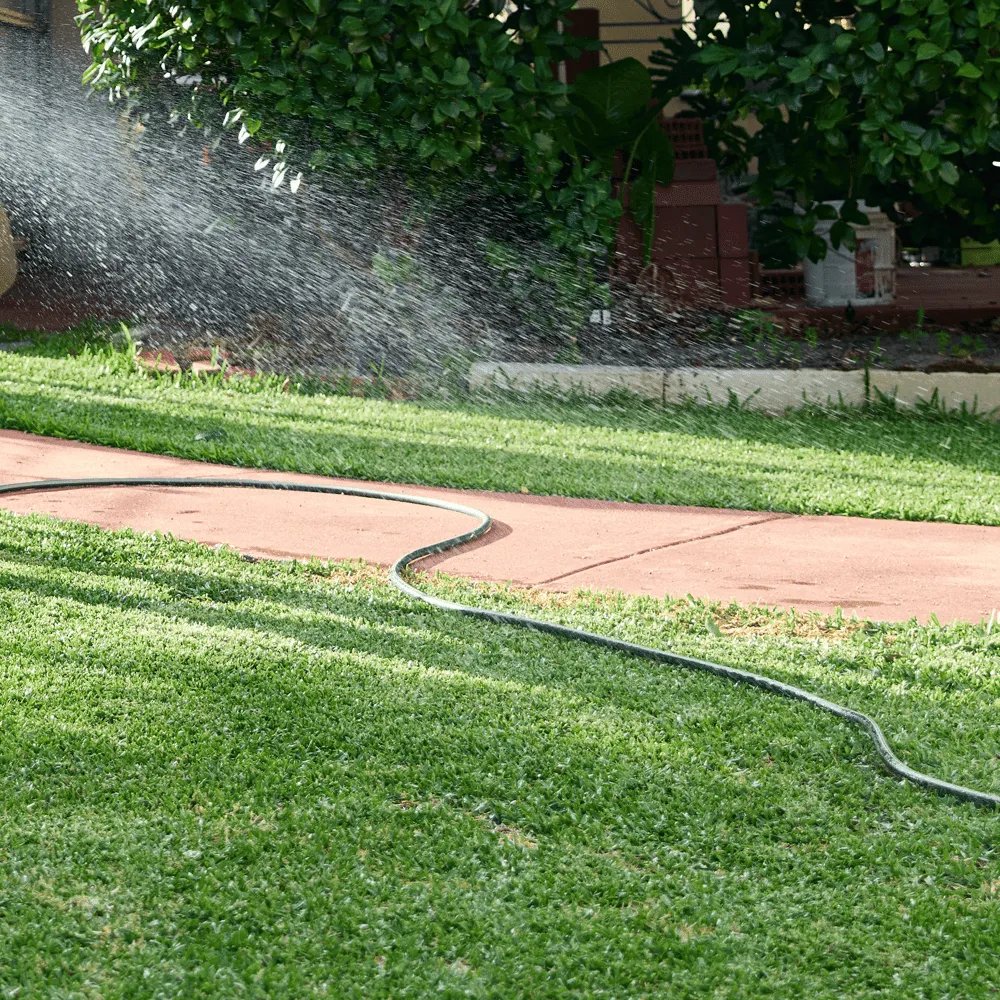
More cuts mean the plant is using more nutrients and water. You do not need to push growth hard, but you do want steady, balanced inputs.
- Light, balanced fertiliser in early to mid spring supports density without explosive surge. Slow-release products are easier to manage.
- Water deeply and less often to train roots downward. Two thorough soaks per week often beats shallow daily sprinkles, depending on local restrictions.
- If clippings are being caught, the lawn loses some nitrogen and potassium. A modest top-up can offset that.
- Consider a wetting agent where soils are hydrophobic. Better infiltration means more even growth, which reduces scalping and keeps mowing consistent.
The Bottom Line for Spring Mowing
Spring growth is your chance to thicken the lawn and crowd out weeds. That means cutting more often, but only a little each time, at a sensible height for your turf type. Keep blades sharp, change directions, manage water and nutrients steadily, and keep to a plan you can maintain. Do that, and frequent mowing becomes an easy part of weekly lawn care rather than a chore you dread.