
A proper HVAC upgrade is a full project in its own right. It affects comfort, compliance, resilience, running costs and the value of the building. If you are responsible for a commercial site, a telco exchange, a school, a health facility or any other critical building, it pays to know what “good” looks like before you sign off on a scope or quote.
Why HVAC Upgrades Matter More Than You Think
Heating, ventilation and air conditioning are part of the backbone of any modern building. When the system is tired or poorly matched to the space, you feel it in a few ways:
- Rising energy bills and demand charges
- Hot and cold spots across the building
- Frequent breakdowns and emergency callouts
- Noise, drafts and a general sense that “the air feels off”
A well planned HVAC upgrade is about solving those pain points in a structured way. Done properly, it can:
- Reduce energy use and operating costs
- Improve resilience for critical operations
- Extend the life of associated electrical and mechanical assets
- Make the building easier and safer to run over time
The key is treating the HVAC upgrade as a strategic investment, not just a like-for-like changeout.
What Counts as a Proper HVAC Upgrade
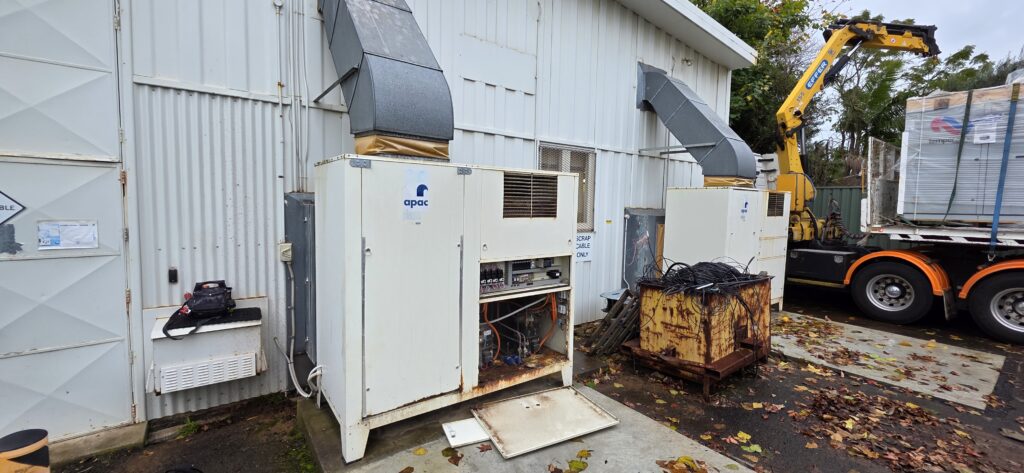
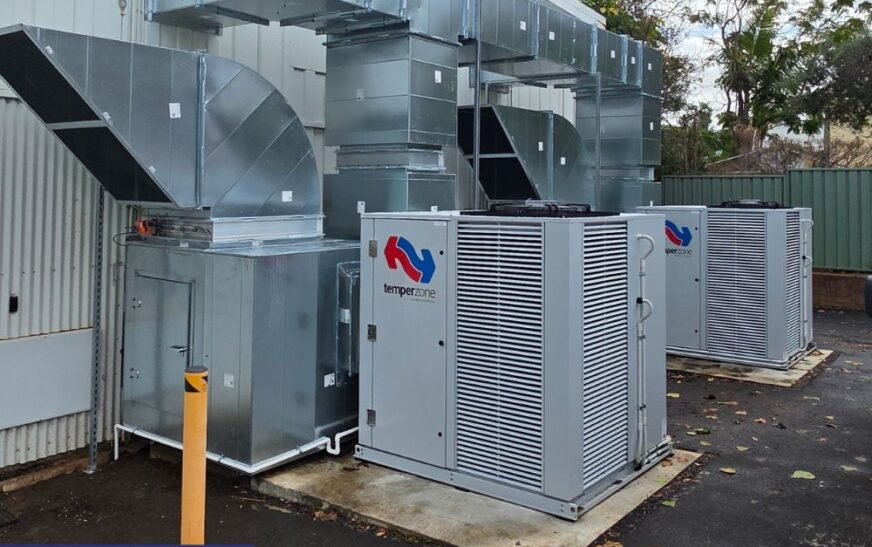
A proper HVAC upgrade is not just new plant on the roof. It is a coordinated mechanical, electrical and controls project with a clear set of outcomes.
You are looking for an approach that:
- Starts with data and a site assessment, not guesswork
- Considers the whole building, not just one noisy unit
- Integrates mechanical plant, electrical supply and control systems
- Has a clear staging plan to protect operations
- Ends with thorough commissioning, documentation and training
If the proposal you have in front of you does not tick those boxes, you are probably looking at a basic changeout rather than a genuine HVAC upgrade.
Start With a Real Assessment, Not A Guess
Every proper HVAC upgrade starts with a site assessment. This is more than a quick walk through with a clipboard. A solid assessment should include:
- Reviewing existing drawings, schedules and asset registers
- Inspecting all major mechanical and electrical components
- Checking the condition of units, ductwork, dampers, filters and controls
- Looking at how the current system responds under real load
- Pulling whatever data is available from meters or an existing BMS
- Talking with facilities staff about recurring issues and constraints
The output should be a clear picture of:
- What is working and can be retained
- What is failing and needs replacement
- What is non compliant or at risk
- Where there are obvious opportunities to improve efficiency or resilience
From there, you can define a high level scope for the HVAC upgrade that is based on evidence, not guesswork or “this is what we always install”.
Controls, Monitoring and the BMS Piece
Modern HVAC lives or dies on its controls. You can invest in premium plant, but without the right brains behind it, you will not see the full benefit.
In a proper HVAC upgrade, you should expect to see:
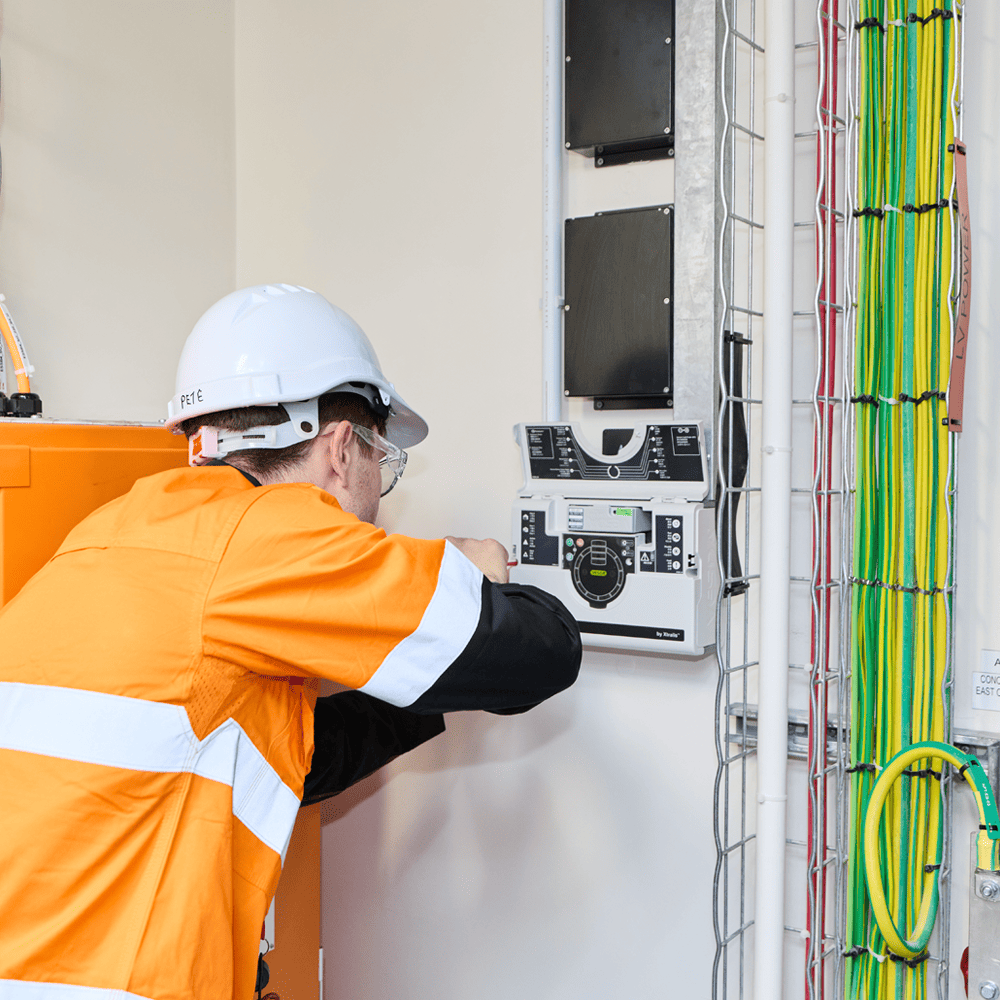
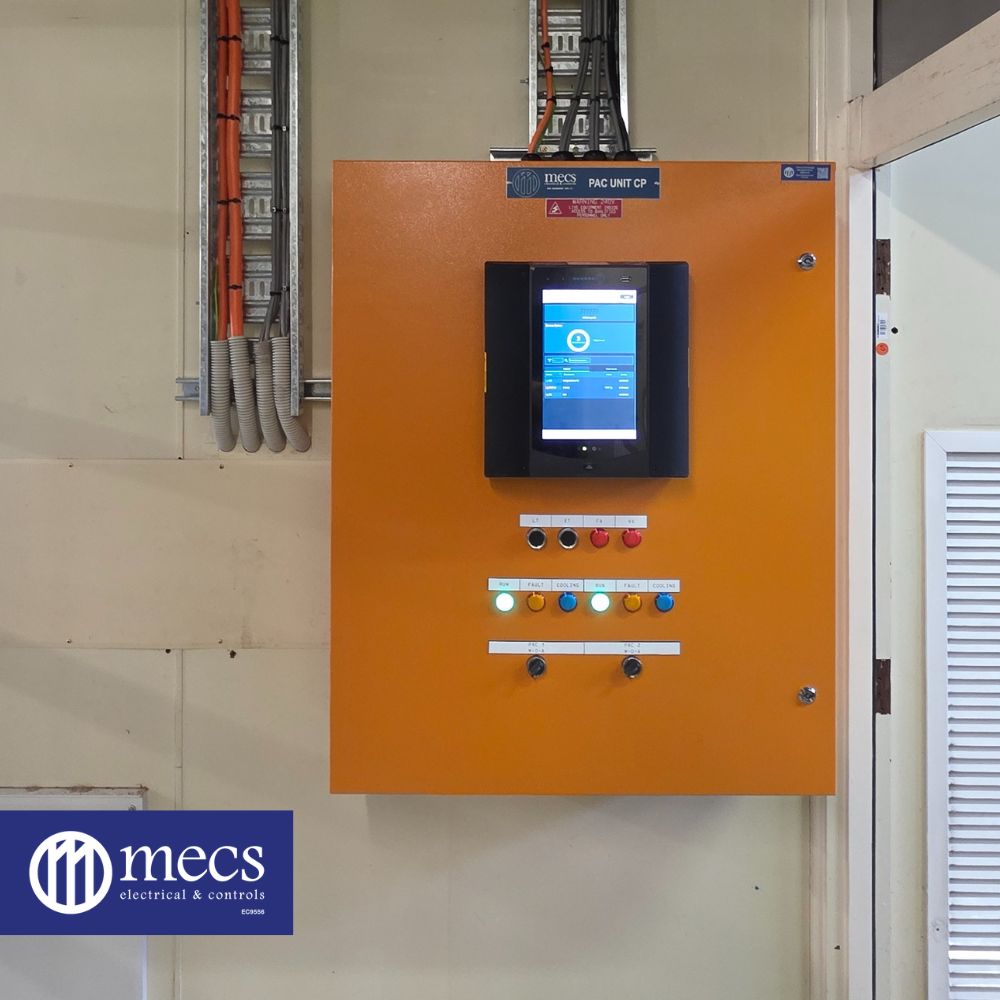
- New or upgraded control panels with clear segregation, labelling and documentation
- Integration to a building management system or at least a modern control platform
- Trending and logging of key points like temperatures, pressures and runtimes
- Alarm strategies that highlight real issues instead of drowning the team in noise
- Remote access for monitoring and support, where security policies allow
For critical infrastructure sites, this level of control and visibility is essential. It allows issues to be picked up early, fine tuning to be done remotely and the system to be operated in a safe, predictable way.
Delivering the Upgrade Without Disrupting Operations
Even the best design can fall over if delivery is not planned properly. A professional team will treat the HVAC upgrade like a live site project, not a simple install.
You should see a delivery plan that covers:
- Staging and cutovers – Clear steps for how and when old plant will be isolated, removed and replaced, especially where there is no tolerance for loss of cooling.
- Temporary systems – Provision for temporary cooling or ventilation where needed to protect equipment, stock or occupants during critical stages.
- Work windows – Night works, weekend works or other low impact windows for noisy or intrusive tasks.
- Safety and permits – Detailed work method statements, lock out and tag out procedures, confined space or working at height controls.
- Coordination with other trades – Mechanical, electrical, fire, structural and IT teams aligned so there are no surprises on site.
A proper HVAC upgrade respects the fact that the building has to keep running while the work is done.
Commissioning, Testing and Fine Tuning
Commissioning is where you prove that the new system does what it is supposed to do. It is not something to squeeze into an afternoon at the end of the job.
A thorough commissioning process for an HVAC upgrade should include:
- Pre start checks and factory documentation for all major equipment
- Functional testing of each unit, pump, fan and control loop
- Air and water balancing so each space receives what it needs
- Verification of safety interlocks, alarms and shutdown sequences
- Performance checks under different load conditions where practical
- Witness testing with the client or an independent commissioner where required
Just as important is the fine tuning that happens after practical completion. With real occupants back in the building, the contractor should be willing to come back, review trends, adjust setpoints and address any teething issues.
Bringing Your Next HVAC Upgrade Together
A proper HVAC upgrade is not just a piece of capital works. It is a chance to reset how your building performs, how easy it is to run and how well it supports the people and equipment inside it.