
Too many business operators associate growth with signing a five-year lease on a bigger warehouse. The reality looks quite different today. A distributed operating model means daily operations happen across various off-site locations. Scaling remote business services fundamentally means detaching revenue growth from physical floor space. So, central headquarters become completely obsolete.
Doing this correctly allows companies to expand output without copping a hammering from commercial landlords. Most owners find their profit margins increase rapidly when rent isn’t chewing up the surplus. It’s a pragmatic shift away from brick-and-mortar limitations.
Bypassing the Commercial Real Estate Trap
Avoiding commercial real estate obligations instantly frees up capital for direct service delivery and talent acquisition. A standard commercial lease in a capital city usually demands a personal guarantee. It also locks a business in for three to five years. Fit-out costs easily push into the hundreds of thousands before a single dollar comes in.
- The absence of make-good clauses saves tens of thousands at the end of a tenancy.
- Avoiding mandatory annual rent increases keeps overheads predictable.
- Business rates and local council fees drop out of the operating budget.
- Capital expenditure normally allocated to office furniture gets diverted into digital infrastructure.
Meeting Compliance Across Dispersed Teams
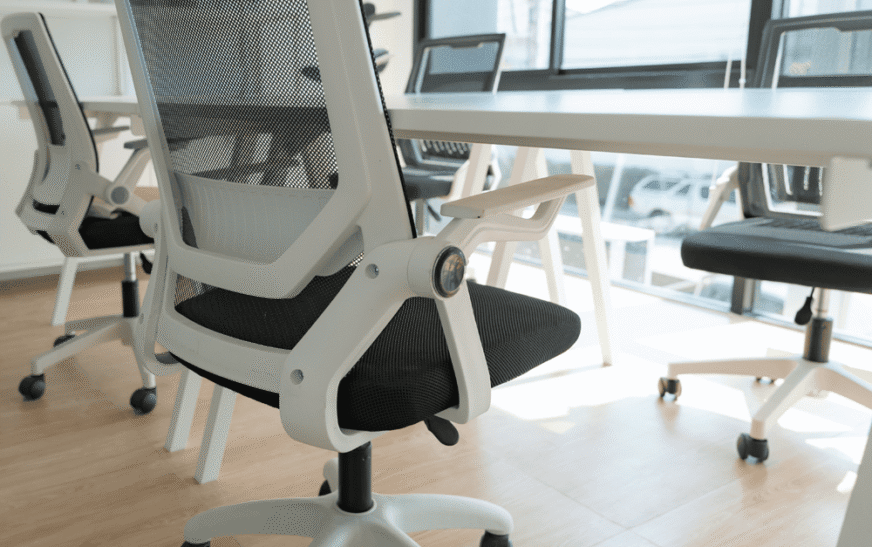
Managing compliance for a remote workforce requires establishing specific, documented safety and data protocols for home offices. Work Health and Safety obligations don’t disappear just because staff work from their spare bedrooms. Employers still owe a duty of care under Australian WHS laws. Experienced managers conduct virtual ergonomic assessments to ensure basic standards meet legal requirements.
- Require staff to complete a standard home office safety checklist before starting.
- Supply approved ergonomic equipment directly to the worker to maintain standardisation.
- Implement strict hardware management policies to satisfy Australian Privacy Principles regarding client data.
- Establish clear logging procedures for any workplace injuries that happen off-site.
Rebuilding the Daily Operational Rhythm
Replacing casual office banter with structured digital communication ensures tasks track properly without micromanagement. Managers often worry they won’t know if their team actually works. Managers achieve this by focusing entirely on output. Hours logged at a desk hold no value. When scaling remote business services, operators track defined deliverables over set intervals.
- Move all project updates out of email and into centralised task management software.
- Set strict service level agreements for internal communication response times.
- Record standard operating procedures as short videos. Lengthy manuals rarely get read.
- Schedule specific windows for collaborative work to respect deep-focus time.
Securing Talent Outside the Local Postcode
Removing geographic limitations allows owners to hire specific skill sets at highly competitive market rates. If a business only hires within a thirty-minute commute of an office, the talent pool remains shallow. Looking nationally or internationally changes the hiring math completely. A skilled technical specialist in regional Queensland costs less than a comparable worker in central Sydney.
Offshore talent presents even steeper cost variations for administrative functions. Most operators reckon the initial friction of remote onboarding pays off quickly.
Once a new hire gets a proper crack at the internal systems, location becomes irrelevant. The business pays for specific completed outputs. Physical attendance means nothing.
Building Tech Stacks Without the Bloat
A functional remote tech stack combines secure access protocols with reliable, cloud-based workflow management tools. Many businesses make the mistake of buying multiple separate software licenses that don’t communicate. This creates data silos and frustrates staff trying to get basic jobs done. Consolidating tools into an integrated cloud environment solves this issue permanently.
Field experience shows that simple setups break down far less often. There’s no point throwing money at complex enterprise software if the team refuses to use it.
Moving to a single-sign-on setup heavily reduces IT support tickets. It also tightens up cybersecurity by limiting access points for potential breaches.
Subscription costs for software definitely add up over time. However, these monthly fees pale in comparison to commercial property overheads. A premium software suite might cost a few hundred dollars per user annually. A physical desk space easily costs thousands.
Frequently Asked Questions
How Is Productivity Measured Without an Office?
Measuring productivity relies entirely on tracking specific, pre-agreed deliverables within set timeframes. Management software provides clear data on task completion rates without monitoring active screen time. Shifting the focus to tangible outputs removes the need for constant supervision.
What Happens to Company Culture in a Remote Setup?
Company culture develops through mutual shared operational values and clear communication. Regular, structured digital check-ins and transparent decision-making help maintain team cohesion. Culture thrives on mutual respect and reliability.
Can a Hardware-Heavy Business Scale Remotely?
Scaling a physical service business involves dispatching field technicians from decentralised locations or home bases. Administrative staff operate digitally, while third-party logistics handle any necessary parts storage. This hybrid model keeps central office overheads practically non-existent.
Key Takeaways
Moving away from centralised physical spaces offers an undeniable financial advantage. Freeing a company from long-term commercial leases provides the agility needed to survive economic downturns. It takes effort to rebuild communication structures and maintain legal compliance across borders. The initial setup requires discipline, tight procedures, and a willingness to abandon outdated management habits.