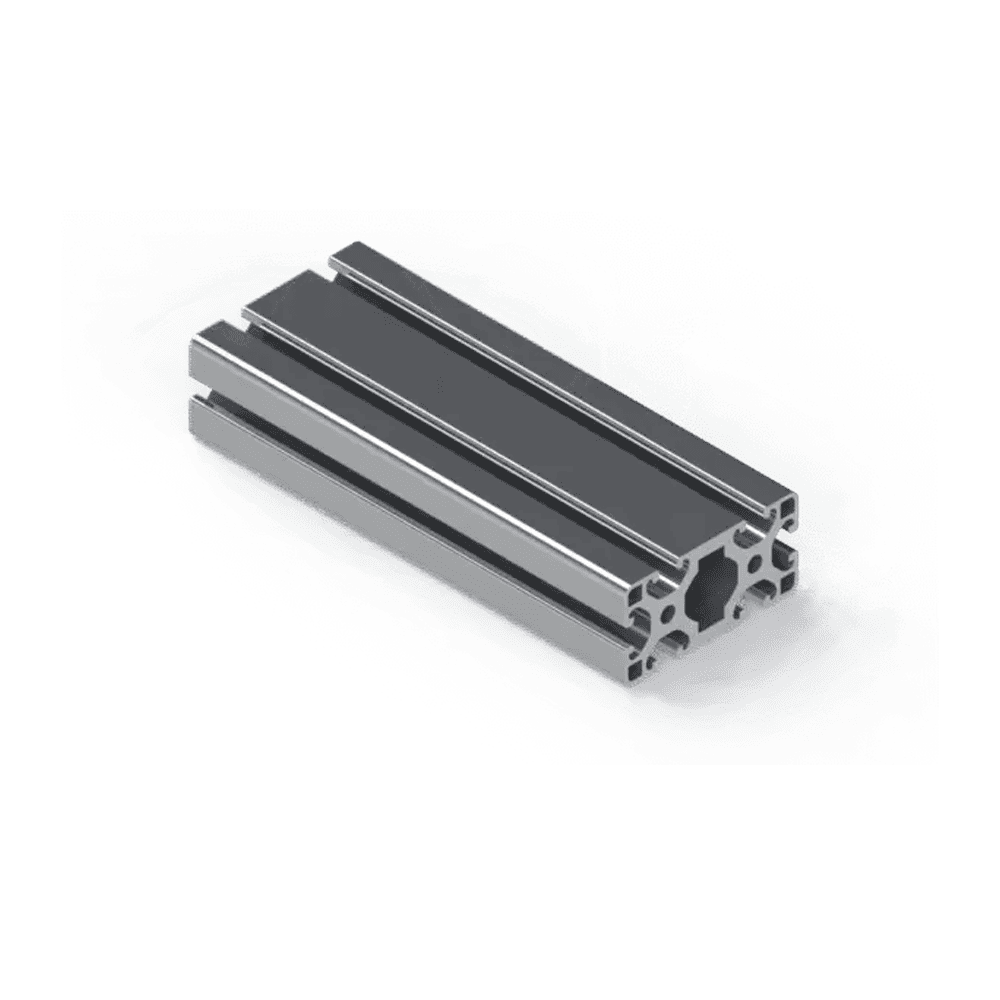

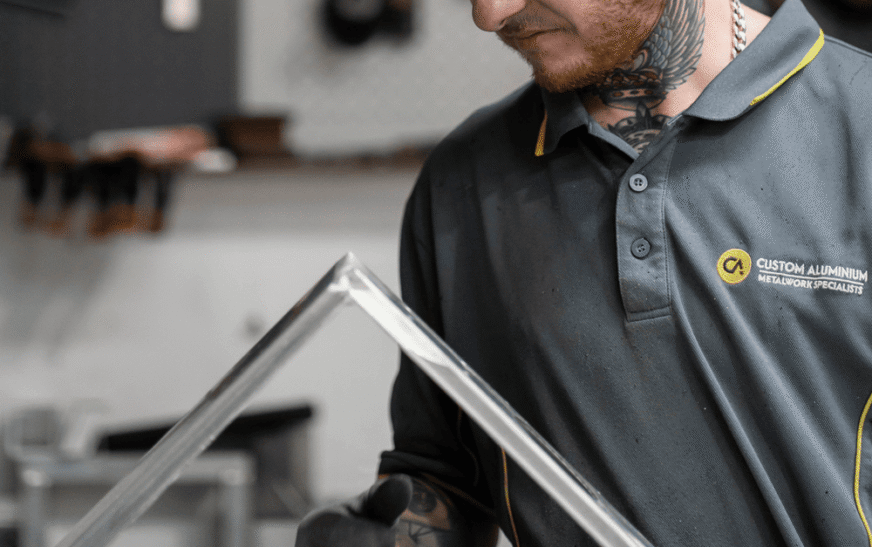
Aluminium fabrication means cutting, bending, shaping, and welding raw aluminium stock into finished structures. Most operators reckon it looks easy enough from a distance. The reality on the shop floor tells a different story entirely. Working with this specific metal requires a deep understanding of thermal conductivity and alloy temper.
High-quality aluminium fabrication relies on strict process control. A minor mistake during the initial cutting phase compounds throughout the entire assembly process. This directly impacts the final structural integrity of the project.
Managing Heat Distortion in Thin Materials
Experienced operators control heat distortion by using strategic tacking sequences and specific pulse TIG settings to keep the base metal stable. Aluminium absorbs and spreads heat much faster than mild steel. This high thermal conductivity means the metal distorts if the operator doesn’t manage the heat input correctly. The common line in the trade is that bad heat management ruins a job before it even leaves the bench.
- Back-stepping weld techniques spread the thermal load across the entire joint.
- Copper backing bars draw excess heat away from thin extrusions.
- Pulse settings on modern AC TIG machines reduce the overall average amperage.
- Strict interpass temperature limits stop the alloy from losing its temper strength.
Thin wall extrusions are notoriously difficult to keep straight. The metal tends to pull heavily toward the side of the weld. Experienced fabricators anticipate this movement before striking an arc.
Selecting the Right Marine Grade Alloys
Selecting the correct marine grade alloy means balancing salt water corrosion resistance against the required structural yield strength for the specific application. Not all aluminium suits coastal or offshore environments. Using the wrong grade guarantees early failure through galvanic corrosion or metal fatigue.
- Alloy 5052 serves as a highly versatile sheet metal for general fabrication and curved marine hulls.
- Alloy 5083 provides exceptional resistance to seawater and retains high strength after welding.
- Alloy 6061-T6 works well for complex extrusions but requires careful anodising for marine use.
- Matching the correct filler wire to the base metal prevents weak zones in the joint.
Many standard industrial designs call for basic structural grades to save costs. Shop foremen know this approach fails miserably when the product sits near the ocean. Salt spray quickly attacks inferior alloys, causing severe pitting within months.
Structural Integrity and Compliance Standards
Meeting Australian compliance standards requires strict adherence to AS/NZS 1664, mandating specific weld throat thicknesses and fatigue calculations. Producing structural components isn’t just about making strong welds. It involves documented quality control and traceable material selection.
Independent inspectors reject undocumented work outright.
- Material test certificates must trace the raw metal back to the specific smelting batch.
- Weld procedures require formal qualification for each joint type and material thickness.
- Non-destructive testing methods like dye penetrant highlight microscopic surface cracks.
- Design calculations must account for the natural strength reduction in the heat-affected zone.
The heat-affected zone poses the biggest challenge in aluminium structural design. Welding naturally weakens the parent metal right next to the weld bead. Engineers calculate this strength loss, but fabricators must execute the welds exactly to the specified sizes.
Over-welding puts too much heat into the joint and weakens it further.
Precision Equipment for Clean Processing
High-end workshops maintain strict tolerances by pairing state-of-the-art 3D design software with automated CNC machinery. Tooling for custom aluminium requires dedicated equipment. Grinding discs and cutting blades used on steel will contaminate aluminium surfaces instantly.
This cross-contamination leads to porous welds and weak joints.
Professional shops invest heavily in water jet cutting and CNC turret punching. These machines process the metal cleanly without generating excessive heat or leaving jagged burrs. Clean edges are absolutely necessary for high-quality TIG welding.
Dirty or rough cuts trap oxides and moisture right inside the weld pool.
The Reality of Custom Jigs and Tooling
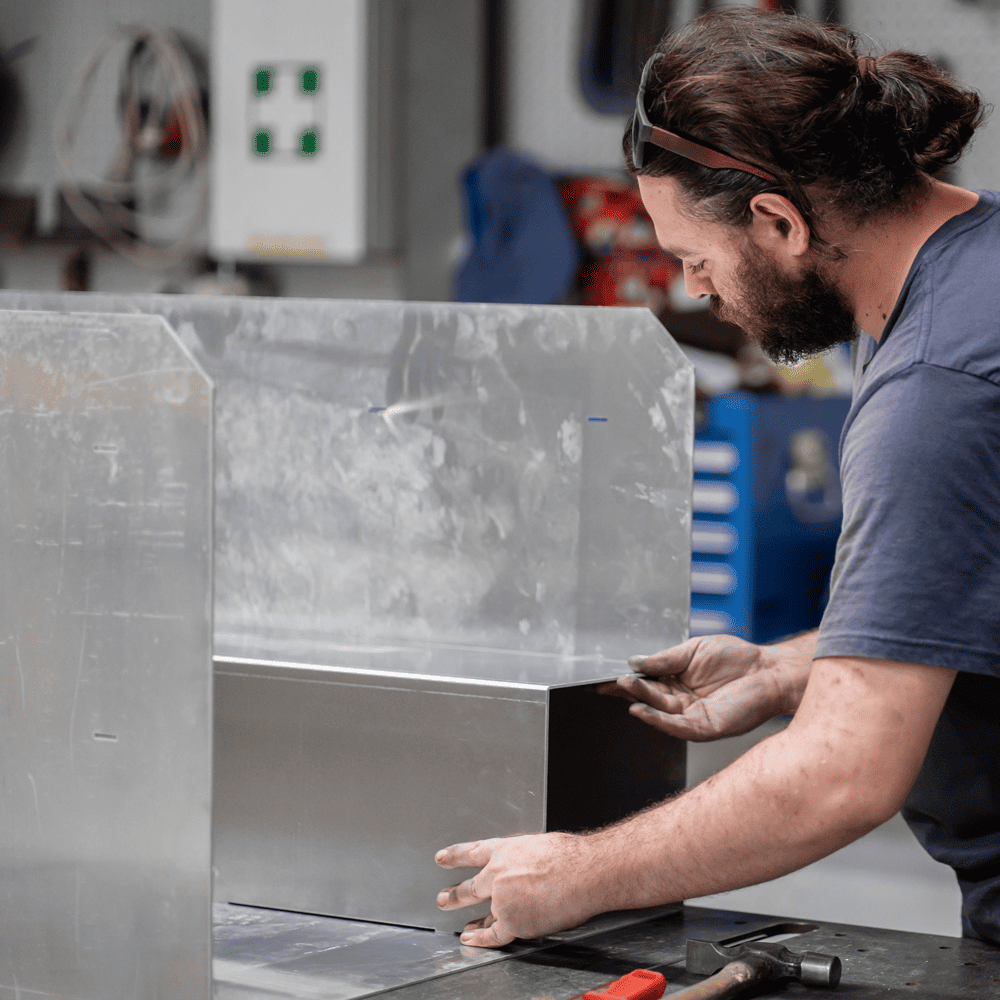
Custom jigs keep components perfectly aligned during the thermal expansion cycle, ensuring the final assembly remains dimensionally accurate. A jig dictates the exact placement of every bracket and gusset before any welding begins. Heavy steel clamping tables prevent the lightweight aluminium from shifting as the temperature changes.
Specialised toggle clamps hold down thin sheets without denting the soft surface.
Building a proper jig often takes longer than fabricating the actual component. Most operators reckon the upfront time investment pays off through perfect repeatability. When a client orders fifty identical brackets, the jig ensures the first unit matches the last unit perfectly.
Frequently Asked Questions
Why Is Welding Aluminium Expensive?
Aluminium welding requires specialised AC TIG machines, expensive argon shielding gas, and dedicated tooling to prevent contamination. The process also demands highly skilled operators who understand thermal expansion and metallurgy. These higher overheads and labour costs naturally increase the final fabrication price.
What Is the Difference Between 5083 and 5052 Aluminium?
Grade 5052 is an extremely versatile sheet metal offering excellent formability for complex curved hulls and general marine fabrication. Grade 5083 provides even higher structural strength and exceptional resistance to seawater, making it ideal for heavy-duty marine applications. Choosing between them depends entirely on the required bend radius and overall structural demands.
Can Cracked Structural Aluminium Be Repaired?
Repairing cracked aluminium requires grinding out the entire damaged section to remove any hidden microscopic stress fractures. The welder must then thoroughly clean the area before applying a new multi-pass weld to restore strength. If the original metal has suffered severe fatigue, replacing the entire component is often the safer option.
Closing Thoughts
The demand for high-quality aluminium fabrication continues to grow across the marine, transport, and construction sectors. Working with this material leaves absolutely no room for shortcuts or cheap workarounds. The metal reacts aggressively to poor heat management and incorrect alloy selection.
This inherent difficulty is exactly why experienced professionals remain in such high demand.